By Bella Butler
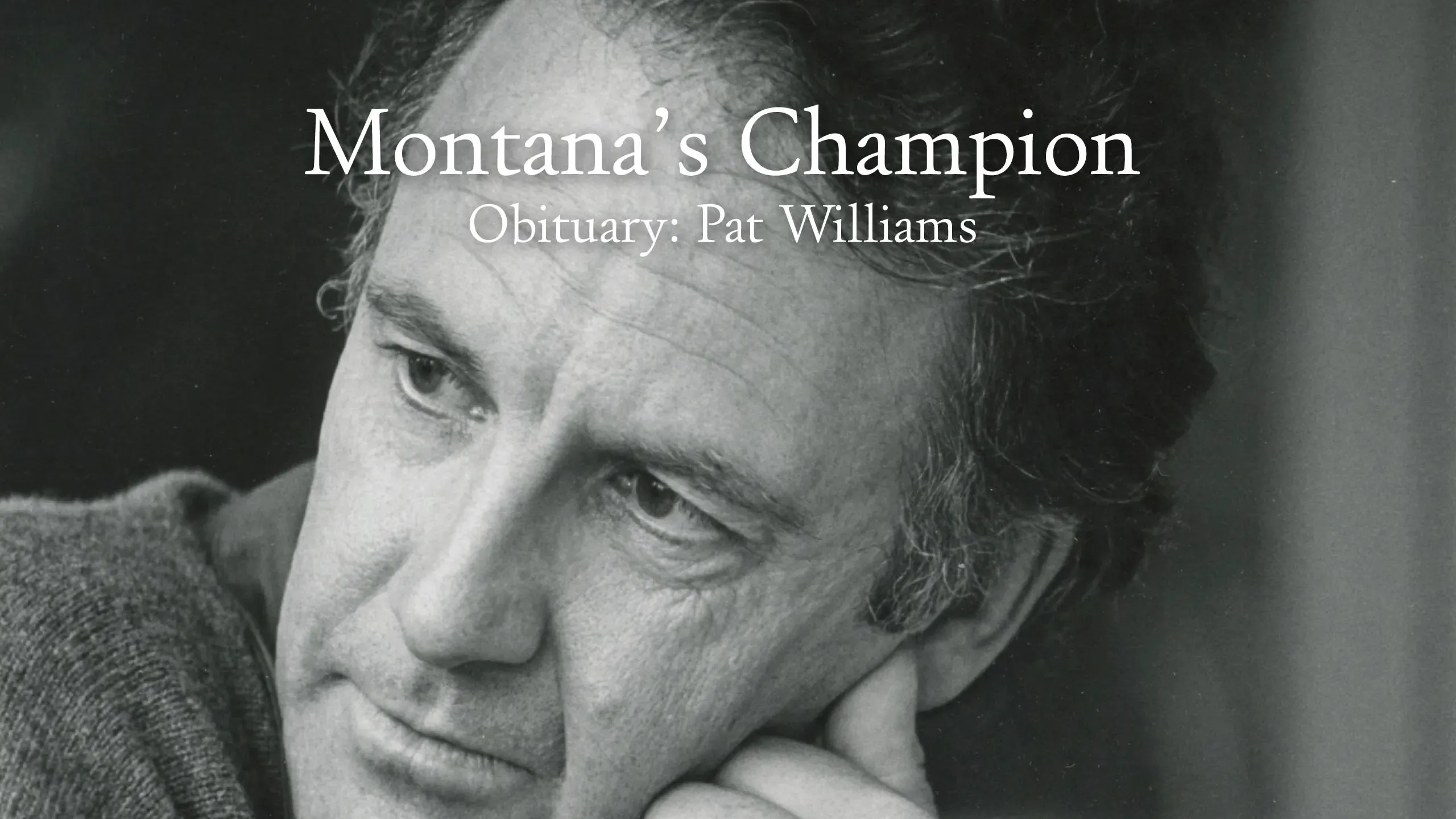
When the wind passes through the Rattlesnake Wilderness, it rustles the triplet clusters of ponderosa pines and ripples the snow-fed lakes with the collective breath of its past, present and future inhabitants and visitors. Relatively untouched, it’s a sanctuary that transcends generational borders, intended to be experienced for years to come as it is now, and as it’s been before. In this age where human development doesn’t just inch beyond the wildland-urban interface, it sprints, this sanctuary is no accident. Nor is the Lee Metcalf Wilderness in southwest Montana, or the Bob Marshall Wilderness’ oil-and-gas-extraction-free expanse. These protected wildlands, among other hard-won conservation victories, are part of the enduring legacy left by one of Montana’s most significant advocates: Pat Williams. The state’s longest-serving congressman, a family man, and a Montanan through and through, Williams died at the age of 87 on June 25, 2025.
It speaks volumes about the Democratic congressman that among the speakers at his memorial were former Montana governors Steve Bullock and Brian Schweitzer and former Bureau of Land Management Director Tracy Stone-Manning. Still, perhaps the guests Pat would’ve been particularly honored by were his own children and grandchildren, for they were always at the core of his service.

“Someday, my grandchildren will stand on a ridge in Montana and hear nothing but wind, and that silence will be my greatest gift to them,” Stone-Manning recalled Pat saying when he left Congress after 20 years. Stone-Manning, now the president of the Wilderness Society, added: “It was a gift to all of us.”
Before there were children and grandchildren, Pat was a young boy growing up in the bustle of Butte in the 1930s, ’40s and ’50s, bearing witness to the cycling of miners in and out of the Richest Hill on Earth through the industry’s boom and eventual bust. He was the product of an Irish immigrant family surviving the Great Depression and World War II through their bond and duty to protect one another. That duty became the post that propped him up as a teacher, a father, and eventually, a servant to the people of Montana.
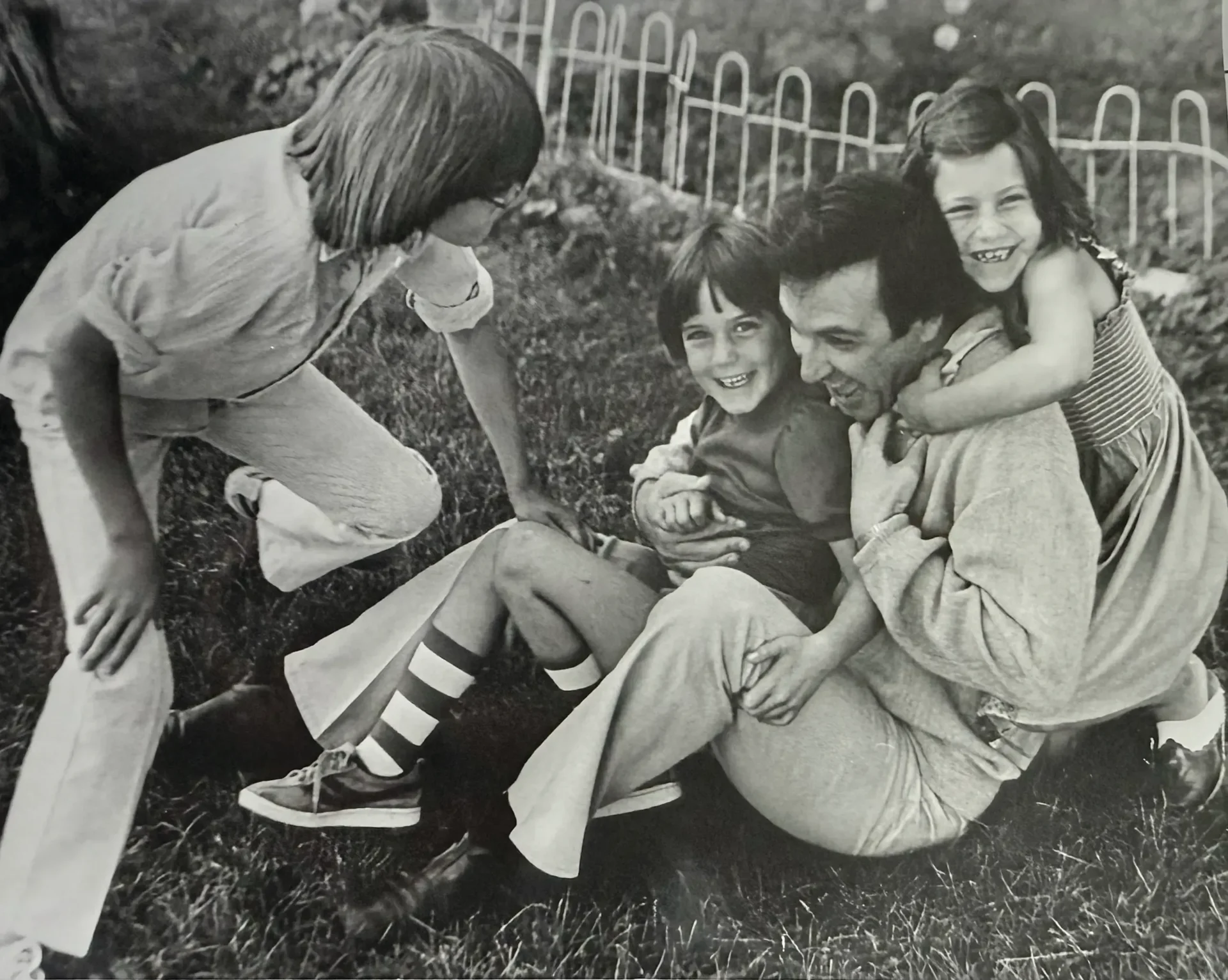
“Growing up in Butte, my dad was protected by family and friends, and my dad, in turn, protected our family,” said Pat’s eldest daughter, Erin, at his memorial. “He also wanted to protect teachers, nurses, Native Americans, veterans, farmers and ranchers, children, women and families, our educational system, the right to healthcare, our natural environment, and always, always, always, the underdog.”
Indeed, he did. In addition to passing legislation that established the Rattlesnake and Lee Metcalf Wildernesses as well as to protect the Bob Marshall Wilderness from oil exploration, Pat’s achievements included the Family and Medical Leave Act, increases to minimum wage, creating America’s Conservation Corps, banning geothermal drilling near Yellowstone National Park, changing the name of the Custer Battlefield to the Little Big Horn Battlefield, serving on the President’s Commission for Tribal Colleges, and critically saving the National Endowment for the Arts, among many, many, other things.
At Pat’s memorial, former Governor Schweitzer said, “The genius of Pat was that he would listen to people all over Montana.”
“When Pat would come back from Washington, he didn’t stand at a podium and he didn’t read a speech,” Schweitzer said. “He sat in a chair. And he said to folks ‘I want to hear from you. I want to hear what’s on your mind.'”
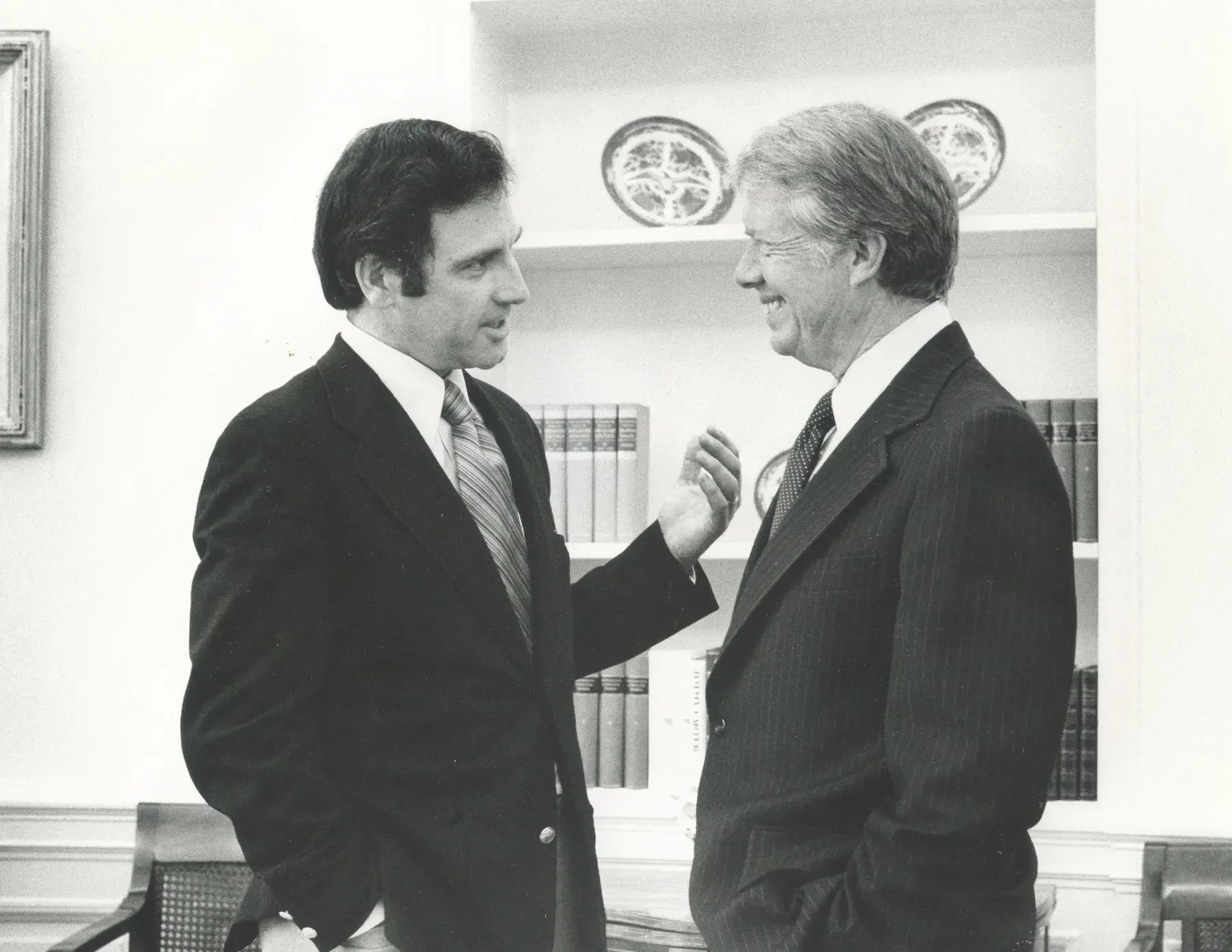
A campaign ad run during Pat’s first bid for Congress stated: “It’s hard to say what the best qualifications are for a congressman, but it can’t have hurt to have walked the streets of the cities and towns and to have knocked on the doors and visited folks in their living rooms.” It certainly helped Pat.
Among all the successes and stories, the best reflection of Pat, the clearest perpetuation of his legacy, can be seen in his family. His wife, Carol, who survives him, was Montana’s first woman to serve as majority leader when she headed the Democratic Caucus in the Montana Legislature. She served in the legislature for more than a decade. Under Mark O’Keefe, she made a bid for lieutenant governor in 2000, and very notably she passed legislation giving all Montanans access to full-day kindergarten. As Pat and Carol’s son, Griff, said at his father’s memorial: “Without her, there really wouldn’t be the Pat Williams we all celebrate today… Pat and [Carol], they have become icons in the state of Montana, and they started out as kids meeting at a young Democrats meeting in Butte.”
Pat and Carol had three children – Griff, Erin and Whitney – and three grandchildren, Keelan, Aidan and Fiona. In their own ways, they all mirror Pat and Carol’s commitment to community and duty to make the world around them a better place for everyone. Pat’s influence on them is best shown by this line in a letter he wrote to Whitney on the day of her birth, shared by her at the memorial. Pat wrote: “Take long, curious looks, deep breaths, mouthfuls of laughter, and hearts filled with love. And don’t forget to give, for there is the joy.”
Pat famously said, “If you want to know who someone really is, give them power and see what they do with it.” Power, or at least the authority that comes with representing a state at the federal level, revealed Pat as Montana’s champion.
Bella Butler is a freelance writer from southwest Montana and the author of the Feeling Through Fire series published by Mountain Journal. She is the managing editor of Mountain Outlaw.