By Emily Senkosky
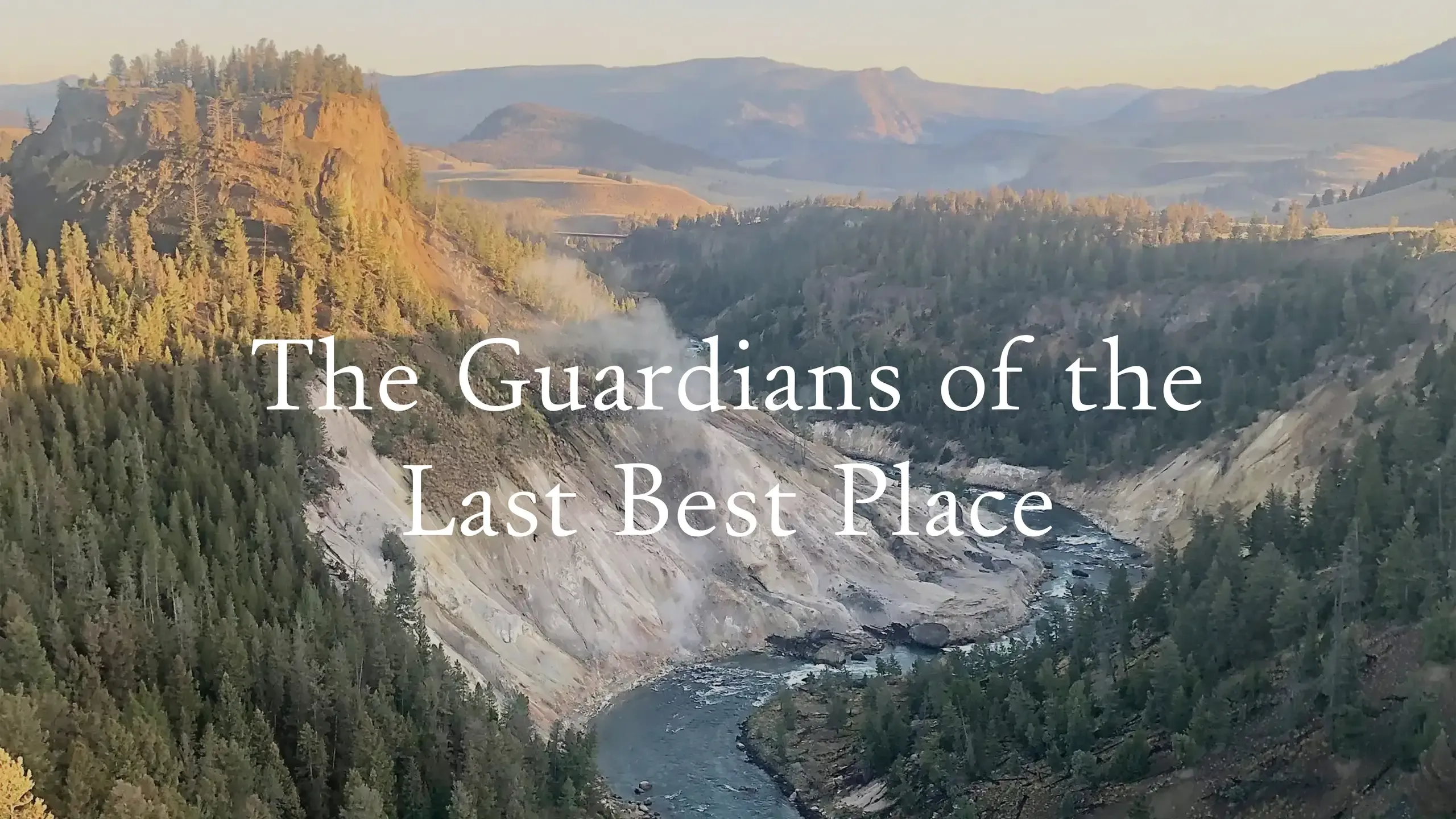
Montana’s reputation as the “last best place” has been echoed by legendary figures throughout the years. For those who have visited, but especially for those who live here, the sentiment is visceral—often lived out in the colorful and captivating day to day. Big Sky Country is not only flush with vistas, iconic wildlife, and essential natural resources, but boasts a culture shaped by Native American lifeways, ranching heritage and outdoor recreation that makes it an experience unlike anywhere else in the world. John Steinbeck summed this up after traveling through the state in the 1960s: “I’m in love with Montana. For other states I have admiration, respect, recognition, even some affection. But with Montana, it is love. And it’s difficult to analyze love when you’re in it.”
It is this pride of place that has driven some individuals to make it their life’s work to protect Montana’s natural inheritance—a premise that the Montana Outdoor Hall of Fame was built to honor.
It is this pride of place that has driven some individuals to make it their life’s work to protect Montana’s natural inheritance—a premise that the Montana Outdoor Hall of Fame was built to honor. More than a decade ago, longtime conservationist Jim Posewitz returned from Wyoming’s Outdoor Hall of Fame celebration with the realization that his home state had no institution dedicated to commemorating the stories of its own conservation heroes. Montana consists of more than 30 percent public lands and boasts terrain that the world covets—two national parks anchoring its borders, sprawling wilderness, cold rivers that provide a multitude of benefits from recreation to public health—but until 2014, the state had no formal record of the pioneers who have upheld the land and its traditions.

“So many people have contributed to conservation in the state of Montana as we know it today. Jim’s goal was really diversity in each year’s cohorts,” said Laura Parr, a member of MOHF board of directors. “He wanted diversity in geography across the state, diversity of each class living and deceased, and gender diversity, as well as diversity in types of conservation.”
And so the MOHF was born to honor those who built this conservation ethic piece by piece throughout history. Since its establishment, 81 individuals have been inducted into the hall—tracing a lineage that predates statehood. Inductees include early arrivals like Granville Stuart, who landed in Montana in 1857 at the age of 23, and marveled at the pristine peaks of the Rocky Mountain Divide laden with bands of elk, antelope and bighorn sheep. Stuart, and other giants like Theodore Roosevelt and Lee Metcalf, were founding fathers of state stewardship—helping to set a framework that has significantly enhanced the lives of Montanans, and many others throughout the country.
Lee Metcalf embodies the MOHF’s mantra that the best conservation stories start with a single idea. His contributions to conservation set precedent for many of the programs and policies still discussed today: The Clean Water Act, aimed at protecting clean drinking water and healthy streams and rivers; the Wild and Scenic Rivers Act, which safeguards 13,400 miles of waterways; the Land and Water Conservation Fund, which allocates funds from offshore drilling to public access and ecosystem protection; and, of course, the Wilderness Act, which prevents development on more than 173,000 square miles of pristine nature. Here in Metcalf’s home state, many people honor his legacy through their own lifetime conservation achievements and MOHF ensures that those individuals are recognized.
Over the years, the MOHF has built an ecosystem of hunters, tribal leaders, teachers, writers, lawyers, ranchers, and scientists driven to protect what makes Montana, Montana. Inductees are honored every two years with an event that celebrates the state’s outdoor heritage. The Hall’s class of 2025 reflects the breadth of Montana’s conservation ethos. It includes the biologist who spearheaded grizzly bear recovery in the Northern Rockies to the tribal member who is restoring bison to their homelands to the woman who strengthened environmental laws and rallied voters to defend wild places.
“Their stories are meant to be inspiring for people who are working in conservation today, to help them continue the good fight,” said Parr. “We hope to share the stories of how those individuals or organizations went about protecting the Montana that we know and love.”
A growing consciousness of conservation
Chris Servheen


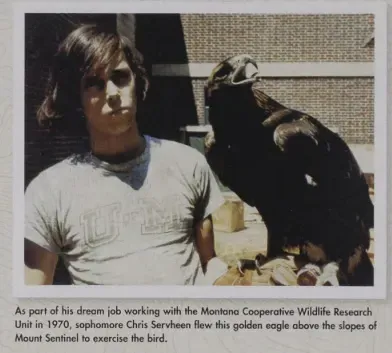
Chris Servheen in the field, where he spent 35 years as the U.S. Fish and Wildlife Service’s grizzly bear recovery coordinator working to pull the species back from the brink. Photos courtesy of MOHF
When Chris Servheen speaks about grizzlies, his eyes soften. He doesn’t describe them as brutes with gnashing teeth and claws, but rather as creatures that prefer solitude yet increasingly find themselves pressed against the edges of expanding towns, livestock fences and trailheads. “Bears don’t have a day off,” said Servheen. “They spend all day trying to listen for us and get out of our way.”
For 35 years as the U.S. Fish and Wildlife Service’s grizzly bear recovery coordinator, Servheen worked to pull the species back from the brink—when fewer than 30 females remained in the Greater Yellowstone Ecosystem and the Selkirks were nearly vacant of them altogether.
When he began in the early 1980s, wildlife agencies operated in silos and recovery felt tenuous at best. Roads fragmented habitat and bears were drawn into conflict by communities that had not yet built considerations for coexistence. Without coordination, he warned, grizzlies would disappear from Yellowstone within years. This is why he helped to create the Interagency Grizzly Bear Committee, which brought state, federal and tribal partners together to “pull in the same direction.” His foundational work has allowed grizzly populations to rebound. Today, roughly 1,000 bears roam the Yellowstone and Northern Continental Divide ecosystems.
Recovery, Servheen emphasizes, is not protection without limits. A future with grizzlies is as much about managing people as it is about managing bears. But he says that public sentiment is often more supportive than political rhetoric suggests. “People come to Montana because it’s a wild place, and because they want to see bears,” he said. “Living with bears is something, by and large, that we do—and that’s something to be proud of.”
“I would like to see bears in all the normal places, not just on islands across the landscape. There is value in their existence. If we can restore them more fully then we’d be moving ahead.”
— Chris Servheen
The future, he believes, lies in connectivity between the grizzly’s disparate populations—not isolated “islands” of habitat, but linked ecosystems that ensure their genetic and climate resilience. Ultimately, he believes that having grizzlies on the landscape is a positive for Montana. “I would like to see bears in all the normal places, not just on islands across the landscape,” he said. “There is value in their existence. If we can restore them more fully, then we’d be moving ahead.”
Robbie Magnan
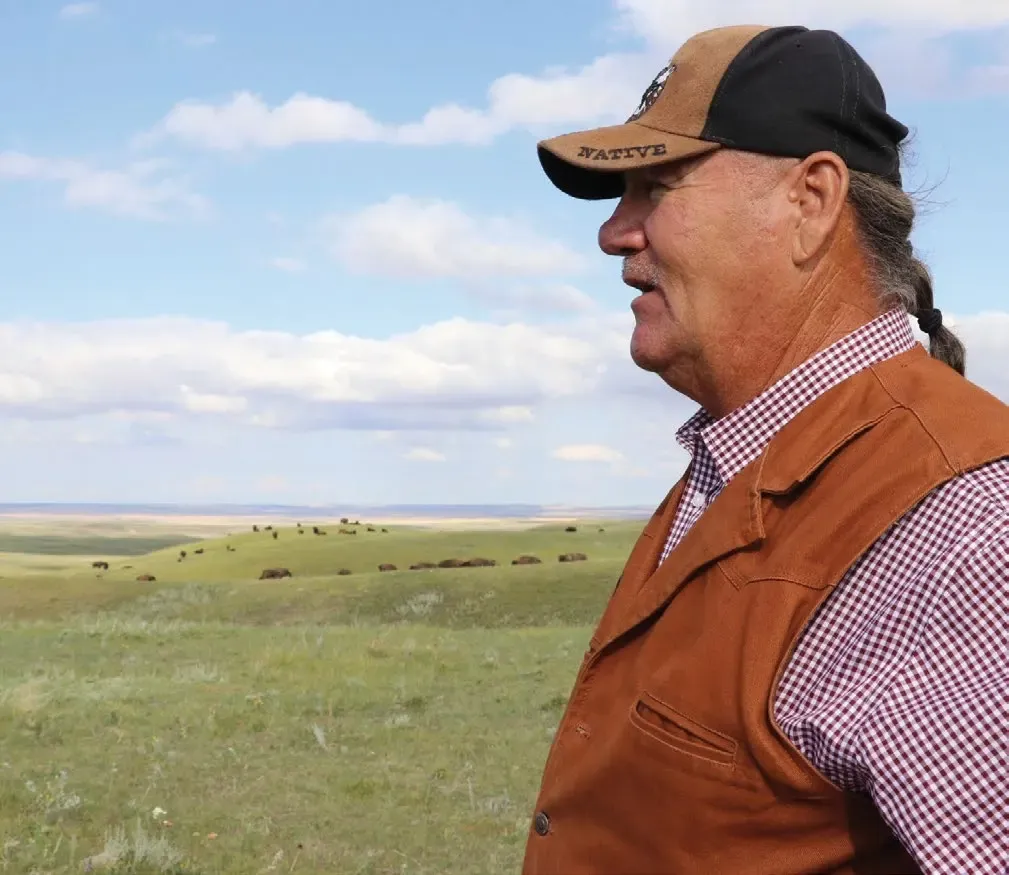
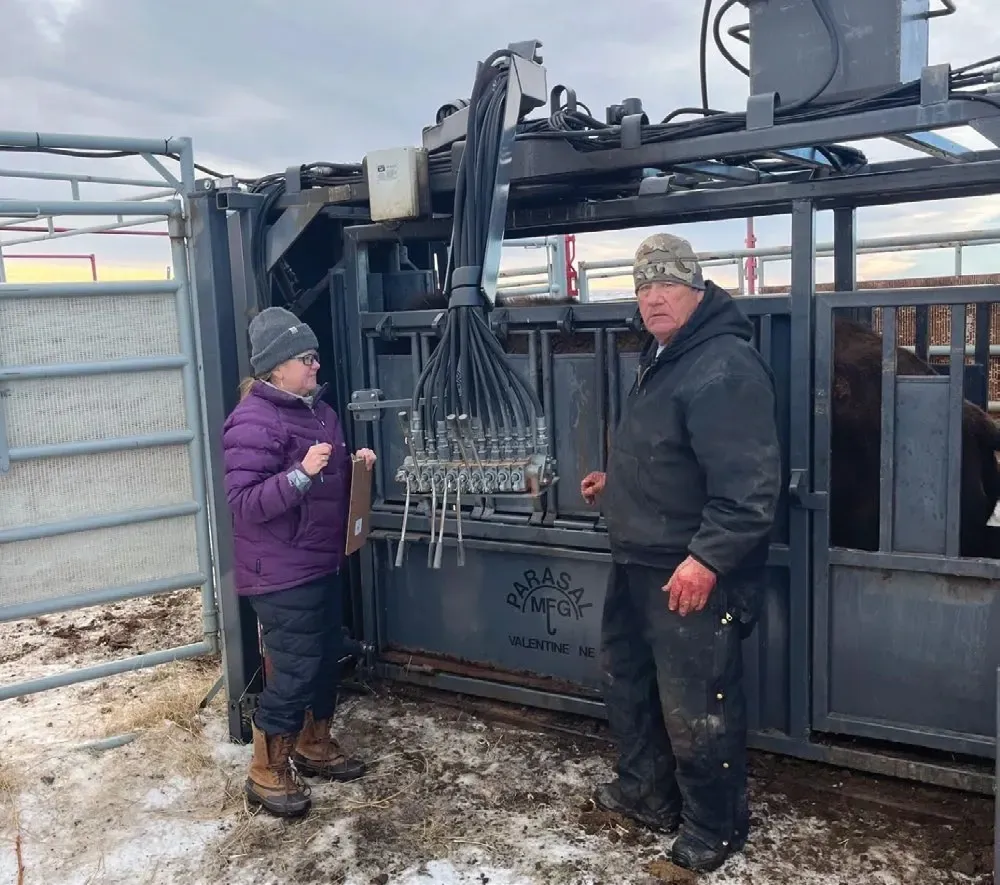


That same ethos of restoring an emblematic species also drives Robbie Magnan, an enrolled member of the Assiniboine and Sioux tribes, whose life’s work has helped bring back an icon of the Great Plains. On the Fort Peck Reservation, the bison’s significance is central to his tribe’s history and culture.
When Fort Peck first brought bison back in the 1990s, the aim was cultural reconciliation. Elders wanted to restore what boarding schools, federal policy and near-eradication of the buffalo had severed from tribes. Magnan began working at Fort Peck’s Game and Fish Department in 1989. By the time he took over the bison program, restoration meant managing far more than just a reconnection with the species. He was challenged with navigating tribal, county, state, and federal law while overcoming political resistance, especially around brucellosis fears tied to Yellowstone bison. “You’ve got tribal laws and you’ve got federal laws. And you got to be able to work with all of them,” he said.
“Buffalo are a lot like the Native Americans. We are put onto reservations, and the buffalo were pushed off their lands in a similar way. I want to put buffalo back onto all of their native landscape.”
— Robbie Magnan
In 2012, after years of what is still ongoing negotiation and litigation, Fort Peck received bison through Yellowstone’s quarantine program that they, and the InterTribal Buffalo Council, had pushed for. The transfer marked a turning point in conservation, ending the slaughter of bison that wandered outside of Yellowstone National Park. It also opened the door for tribes to bring bison back to their homelands. “Buffalo are a lot like the Native Americans,” Magnan said. “We were put onto reservations, and the buffalo were pushed off their lands in a similar way. I want to put buffalo back onto all of their native landscape.”
After some trial and error, Magnan helped facilitate two herds: one cultural, one business. The cultural herd supports ceremonies, education and the tribal food security, whereas the business herd sustains the program financially. Today, nearly 1,000 bison roam 33,000 acres of tribally-managed grasslands with wildlife-friendly fencing keeping their migration corridors intact. According to Magnan, the bison’s return has healed the land, and helped to restore species that disappeared when bison were removed from the ecosystem.
Magnan’s vision has helped to reconnect much of his tribal heritage that is tied to the bison, and even helped to bolster the reservation’s food sovereignty. During the COVID-19 pandemic, when supply chains faltered, Fort Peck harvested 40 animals to feed tribal members. When federal food programs stalled during government shutdowns this year, Fort Peck’s herd was again able to provide food to the people. “They took care of us at one point in time,” said Magnan. “They could do it again.”
His success and contributions to the bison conservation space stretch beyond his reservation’s boundaries. The Fort Peck bison program helped to restore the animal to more than two dozen tribes across 16 states.
Jeanne-Marie Souvigney

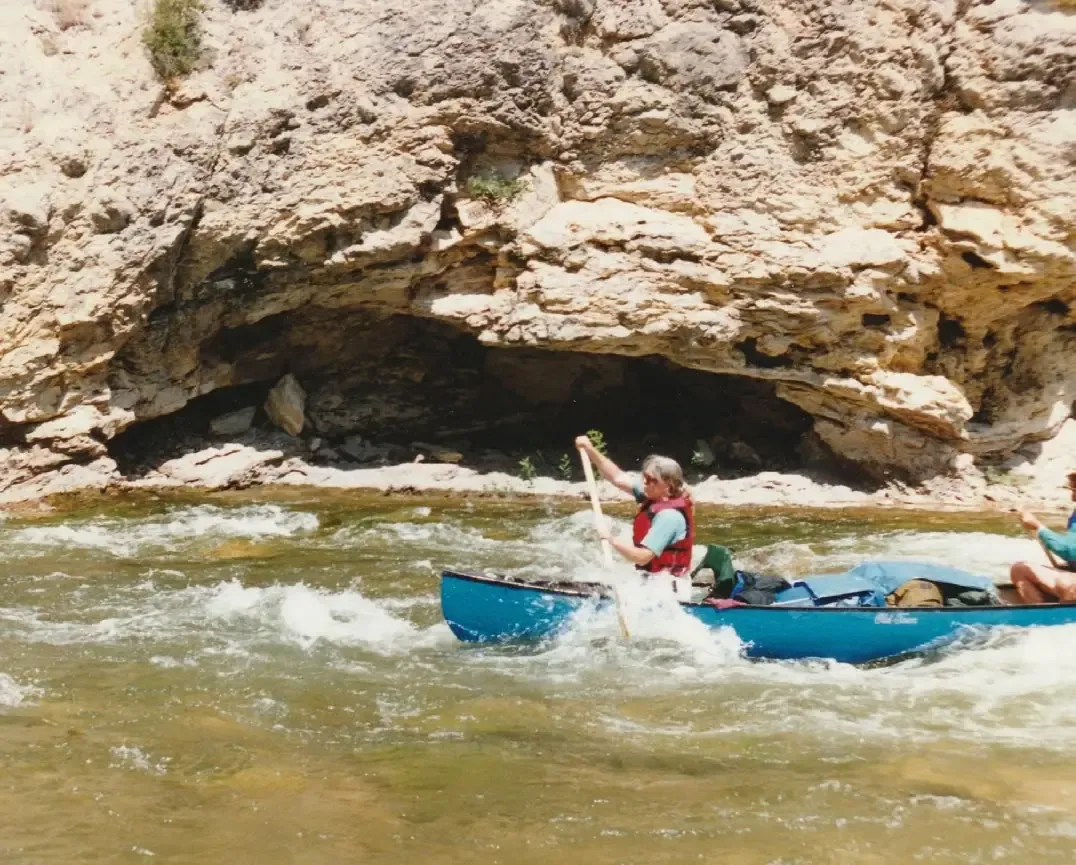

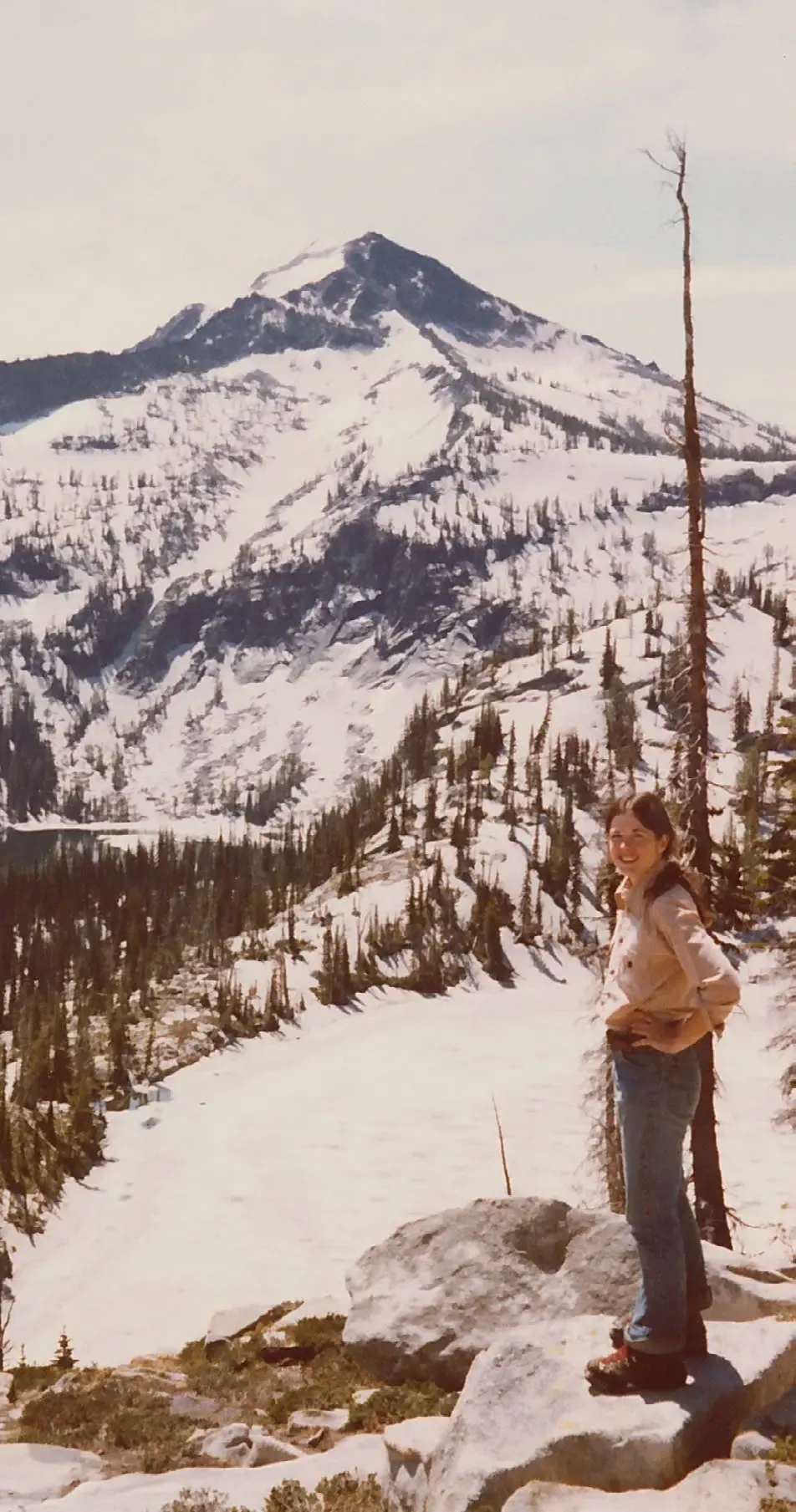
Part of what has made efforts like Magnan’s possible is the policy scaffolding built by advocates like Jeanne-Marie Souvigney, another recipient of the MOHF award for 2025. Although her path into conservation wasn’t linear—her time volunteering with Massachusetts Audubon and the Connecticut River Watershed Council helped her find a deep-seated passion for wild places. “I’ve always really liked being outside,” said Souvigney. “I just have to stay busy.”
Montana drew Souvigney west in part because of the University of Montana’s hands-on environmental studies program, with internships that embedded fieldwork that she says grounded her. She volunteered with the Forest Service near Missoula shortly after moving West, where she lived in a trailer at Bass Creek Campground and worked on every available crew including range, wilderness, trails, and fire. Souvigney describes this experience as the best summer of her life.
After graduate research on how natural resource taxation shapes environmental policy in Alaska, she returned to Montana to intern with the Northern Plains Resource Council at the legislature in 1981. Here, she learned community organizing from farmers and ranchers who were navigating coal and hard-rock mining pressures. She then interned with Northern Plains Resource Council at the legislature in 1981. Here, she learned community organizing from farmers and ranchers who were navigating coal and hard-rock mining pressures. Next she completed graduate research on how natural resource taxation shapes environmental policy in Alaska and Montana, which poised her for her later work at the Greater Yellowstone Coalition, where she spent a decade working on some of Yellowstone’s most complicated challenges: geothermal protections, travel planning, and most notably, bison.
When Yellowstone bison began migrating beyond park boundaries in the late 1980s and early 1990s, the political response was lethal control. The justification centered on brucellosis transmission to cattle—a premise she and others argued was overstated, particularly when compared to elk.
Her work involved negotiating tolerance zones, pushing for limits on slaughter, and collaborating with early iterations of what became the InterTribal Buffalo Council—long before individual tribes secured direct transfers. Doing her homework on the science and policy was a rigor that became her shield in rooms where she was often one of few women. Although Souvigney is quick to deflect credit, her career spans the founding of a multitude of organizations central to Montana conservation, including Park County Environmental Council, Montana Conservation Voters, and lobbying the legislature for three decades. “I have been driven toward this because of the feeling I have something to say,” she said. “When you have the science behind you, you can take the heat.”
“I have been driven toward this because of the feeling I have something to say. When you have the science behind you, you can take the heat.”
— Jeanne-Marie Souvigney
In recent years, her focus has shifted closer to home. She helped build Livingston’s trail system, including a bike path that now connects the town center south to the Paradise Valley. She led an effort to clean up an abandoned landfill along the Yellowstone River, raising more than $50,000 to remove debris and restore the site to turn it into what is now a dog park. She also helps to mentor other young women in the conservation work and policy space in and around the Livingston area alongside former legislator Dorothy Bradley. “To me, it’s important that people be outside,” she said. “When people are out in it, and have access to it, they want to protect it. But you have to give people the tools to do things themselves, too.”
Forging the future
Although the MOHF awards are typically lifetime achievements, the youth plaintiffs from Held v. Montana were given a first-of-its-kind honorary mention this year. The Hall is usually reserved for those who uphold Montana’s conservation ethics through many years of professional tenure, but the youth at the helm of Held showcased notable bravery in voicing their belief that healthy public lands are integral to the 1972 Montana Constitution’s promise to a “clean and healthful environment.”
For Parr, that drive to stand up for what is integral to Montana’s identity, values and quality of life fits squarely within the Hall’s guiding criteria. It also shows the transitioning definition of what conservation might increasingly look like in the 21st century. “What they and their parents decided to do, to hold people accountable, they’ve set a standard that others have looked to,” said Parr. “They’re helping to slow down some of the things that are being done in this state, to hopefully preserve it the way it is.”
Parr says that each nominee is measured not only by tangible achievements, but by influence. How did their work change Montana? How did it strengthen stewardship? And most importantly: How did it inspire others to carry the ethic forward? “We are not just looking at one segment of work,” Parr said. “We’re trying to represent the whole.”
Nonprofits talk often about inspiring the next generation, and so the MOHF has made that aspiration visible by inviting these young leaders into the banquet hall filled with those whose lifetime work helped pave the path they showed up in a courtroom to protect.
In a moment when debates over public land, energy development, and federal authority once again roil the West, the Montana Outdoor Hall of Fame offers a reminder that this state’s identity, heritage, and outdoor culture run deeper than any administrative changes or mercurial politics. The methods may evolve, but the founding ethic of the Montana Outdoor Hall of Fame endures thanks to past, present and future conservation catalysts. Inductees’ names are enshrined on plaques but their work is cemented in the peaks and valleys of the “last best place”—preserving Montana’s wild character for generations to come.
Emily Senkosky is a writer with a master’s degree in environmental science journalism from the University of Montana. After making a life for herself in South America, she returned to the U.S. to report on the changing dynamics of her home in the American West.