By Sophie Tsairis
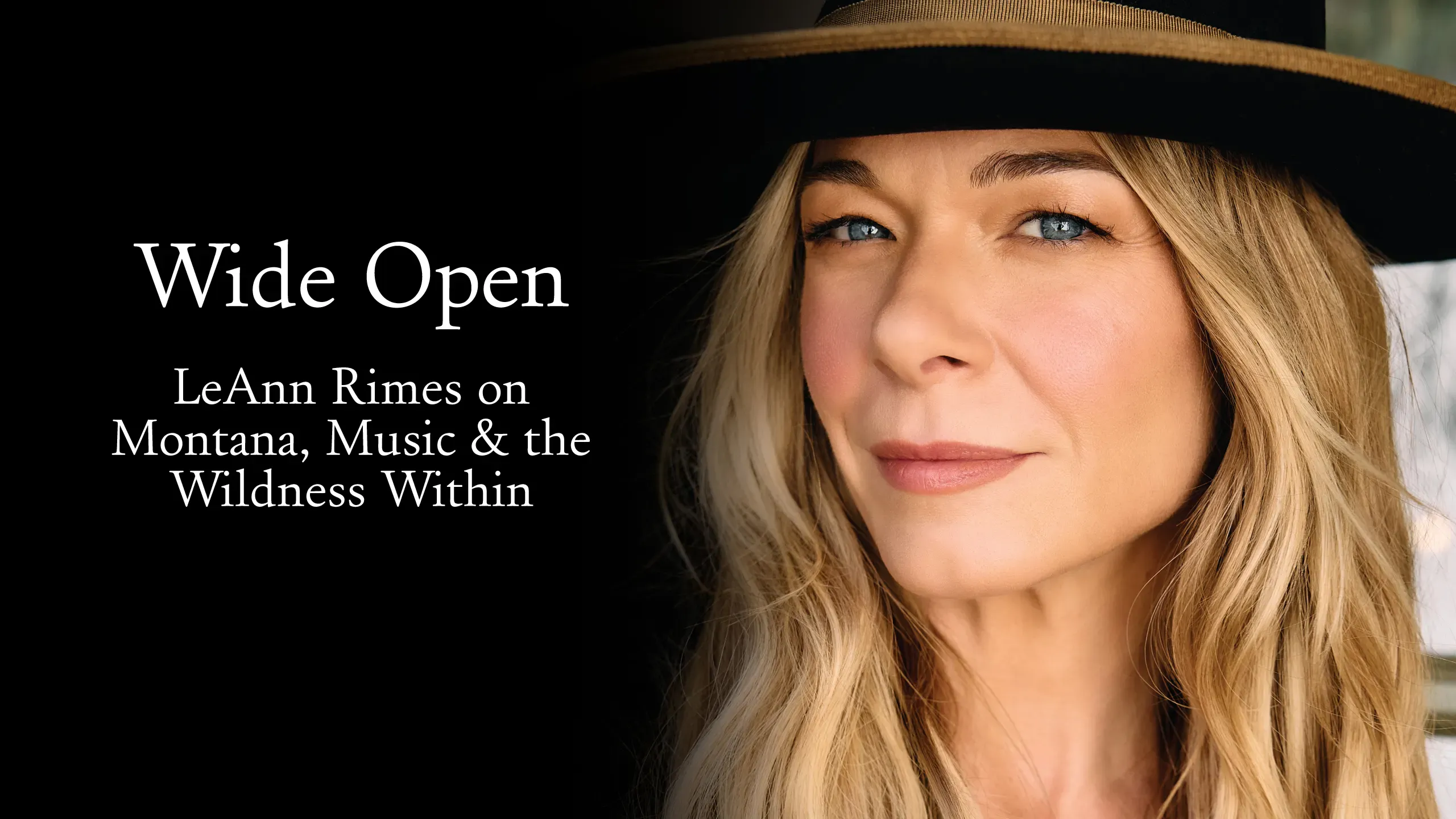
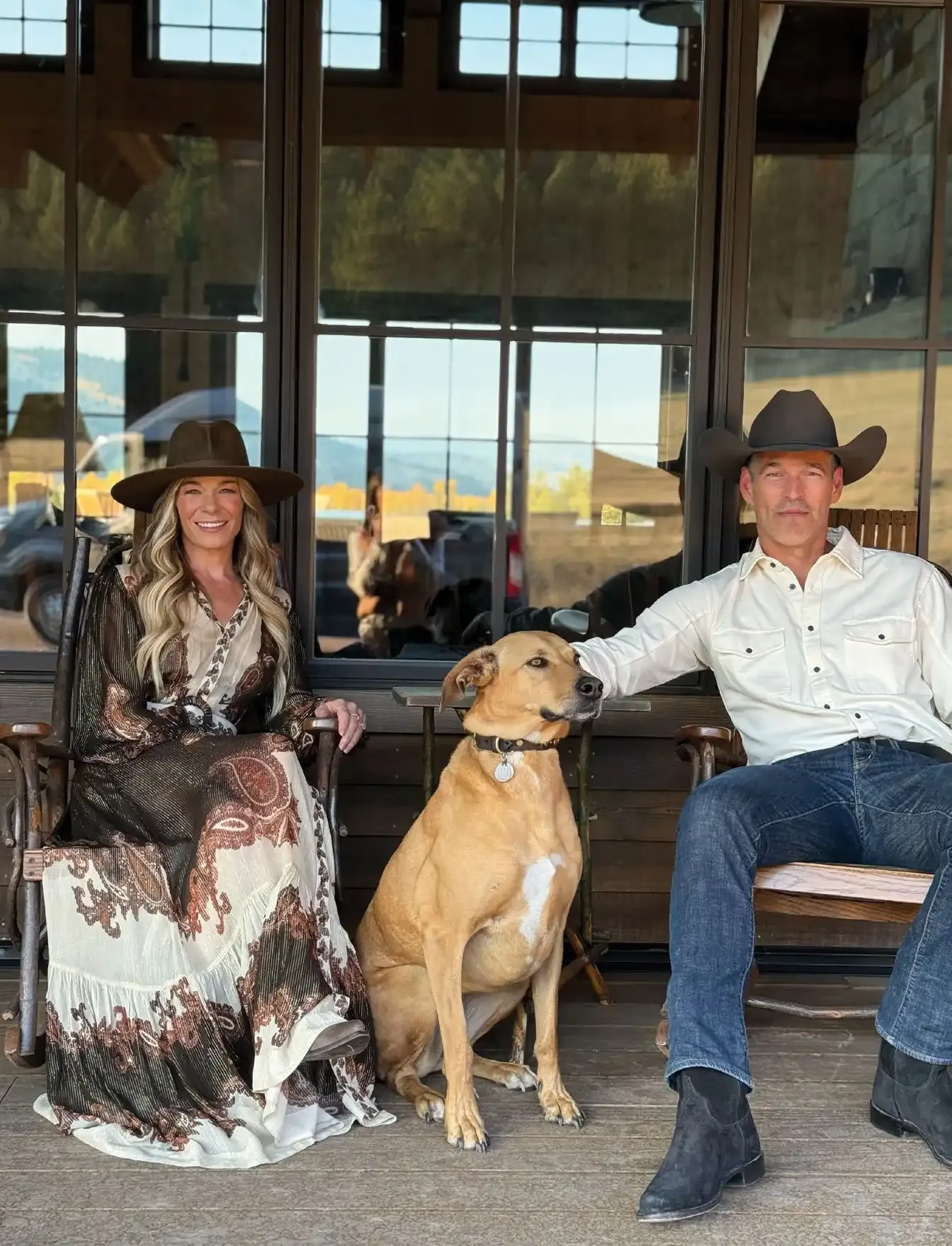
LeAnn Rimes has sold more than 48 million records worldwide, won two Grammys at age 14, and spent three decades shapeshifting across country, pop, and Americana, expanding and evolving her sound but never losing her personal voice. Born in Mississippi, raised in Texas, and launched into stardom with “Blue” at 13-years-old, she has long since outgrown any single lane the industry tried to put her in, and she’s spent the better part of the last decade making peace with that journey on her own terms, through music, and more recently, acting. Montana has been part of her reset for 15 years, a place she and her husband, Eddie Cibrian, return to annually, most notably for the Autumn Harvest Weekend at The Ranch at Rock Creek outside Philipsburg. We caught up with Rimes ahead of her performance at the Wildlands festival in Big Sky, and she told us about what Montana gives her, what 30 years in the music industry has taught her, and why, at this particular moment in her career, she’s done performing at people and far more interested in being with them.
Mountain Outlaw: What connection, if any, do you have to Montana? What does this part of the country bring out in you or inspire in you?

LeAnn Rimes: My husband and I have been escaping to Montana for 15 years now. There’s something about it that just strips everything back. It’s quiet in a way that lets you hear yourself again. The land is so wide and open; it kind of asks you to be the same way.
MO: We’ve read that you come out to Montana annually to play at a ranch. Is that true? Do you feel connected to any part of Montana in some way? If so, can you describe that connection?
LR: Yes, it’s become something I really look forward to every year. It’s not just a show, it’s something really unique and special. I get to connect with people without all the layers and usual expectations, which is rare.
MO: What about playing at the Wildlands festival excites you? What about the venue, location or cause is meaningful to you?
LR: I love that it’s rooted in something bigger than just the music. There’s intention behind it … protecting the land, honoring where you are, that matters to me.
MO: How do you use music to connect with people, and how has that changed over the course of your career?
LR: In the beginning, I think I was just trying to sing things well … hit the notes, do it right. Over time, it’s become a lot less about perfection and a lot more about truth. Now it’s about letting people see where I actually am … messy, evolving, all of it. The real connection happens when you stop performing at people and start being with them.
MO: You started performing at 5, were touring at 9 and had a Grammy at 14. Looking back, what do you think that gave you and/or what did it cost you?
LR: It gave me a life I could have never imagined. It gave me purpose, really early. It also came with a lot of pressure before I even knew who I was. I had to grow up fast in a lot of ways, and then later, kind of go back and find the parts of me that didn’t get to grow naturally. But that’s been the work, you know? And I’m grateful for all of it now, even the hard parts.
MO: “Blue” came out when you were 13 years old. Now you’re celebrating its 30th anniversary. What does it mean to revisit that album at this point in your life?
LR: It feels like meeting a younger version of myself and actually being able to hold her with more understanding. Back then, I didn’t fully grasp what was happening. Now I can look at it with a lot more compassion … and honestly, a lot of gratitude. That record opened every door for me.

MO: How has the industry changed throughout your career, specifically as a female singer/songwriter and what, if any, influence do you feel you’ve had on that?
LR: It’s changed a lot, and still has a long way to go. I think there’s more space now for women to be fully themselves and not just fit into one lane. When I started, there was a lot more pressure to know your lane and stay in it. I hope in some small way I’ve helped show that you can evolve, you can take risks, you can tell the truth and still make great music.
MO: Can you tell us about your new single “Wild Things Run?” What was the emotional core of that song for you, and what do you want listeners to feel?
LR: That song is really about letting yourself be free again. Letting the part of you that’s been quiet or pushed down finally have some space to breathe. There’s a little wildness in all of us … and sometimes we forget that’s where the life is. I want people to feel permission when they hear it. Permission to feel, to move, to not have it all figured out, to love, be broken and love again … unapologetically.
MO: You’ve been open about mental health through your “Wholly Human” podcast. How did you find the courage to be so publicly open, and what impact do you hope it has?
LR: Honestly, it came from not wanting to feel alone anymore. And realizing that if I felt that way, other people probably did too. The more I’ve shared, the more I’ve seen how much we all carry similar things. If anything I say helps someone feel a little less isolated, a little more understood … that’s everything to me.
The more I’ve shared, the more I’ve seen how much we all carry similar things. If anything I say helps someone feel a little less isolated, a little more understood … that’s everything to me.
— LeAnn Rimes
MO: You once had your dental bridge fall out mid-concert and you kept singing … Have you always held that “the show must go on” philosophy, or where did it come from?
LR: I don’t know if it was a philosophy as much as just instinct in the moment. But I do believe in showing up as you are, even when it’s not pretty. Life doesn’t pause when things fall apart. So sometimes you just keep going … and let people see the realness of it. That’s where the connection is and it does make for a pretty hilarious story in the aftermath.
MO: How has stepping into acting changed the way you think about storytelling, and did anything about that transition surprise you?
LR: Acting has made me listen in a different way. It’s not just about delivering a line or a lyric, it’s about the emotional point of view underneath it. And God knows, if there’s one thing I have in this life, it’s an emotional point of view. I’m learning a lot about myself by getting to create in a new medium that’s still a bit foreign to me, but I’ve been loving every minute of it. It’s nice to have a place to really grow and learn something new, 30 years into my career.
Sophie Tsairis is the managing editor of Mountain Outlaw.