Words and Photos by Jeremy Lurgio
We opened the large double-sided map of the Absaroka-Beartooth Wilderness and splayed it across our dining room table. With approximately 944,000 acres, 700 miles of trails, 1,000 lakes and 120 peaks above 10,000 feet, the map covered every inch of our table. My wife, Caroline, and I looked at our two kids and joked, “Ok, where do you want to go?”
Caroline had led a week-long trip to the Beartooths for high school students with a program called Classroom Without Walls. She thought a good option might be a 5.5-mile hike to Island Lake for base camp and then a 14-mile round-trip adventure to Froze to Death Plateau.
Our son Lachlan interjected quickly, “No offense guys, but that sounds miserable.” Amelia nodded in agreement. Pitching other routes and destinations was met with teenage shrugs: No, too far to hike; no, too many miles each day; no, too many days …

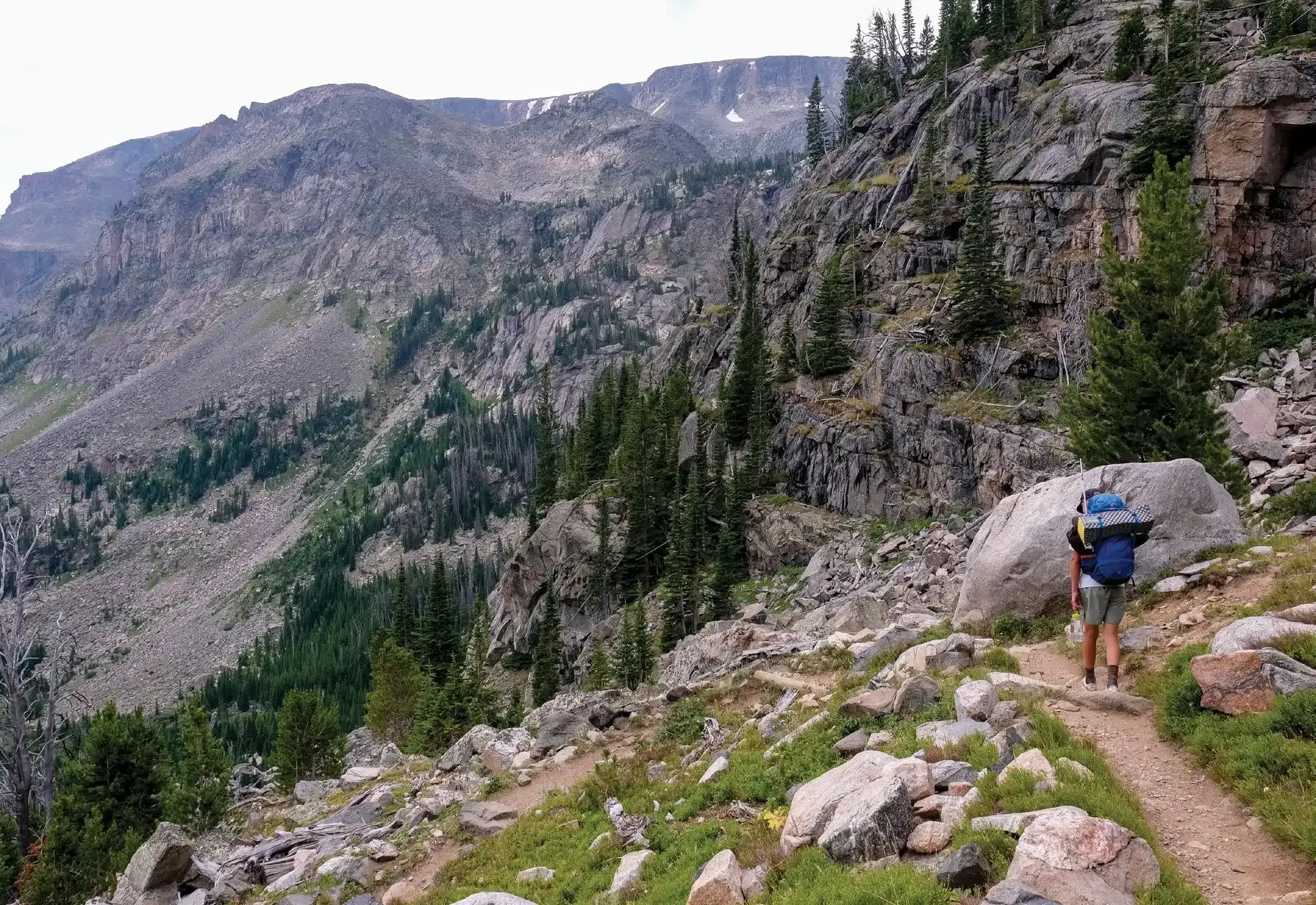
The map detailed countless routes and places to explore. Planning and executing a successful four-day trip with our two kids, one a teenager and one just shy of her teenage years, ushered us into a new era—one of democratic process and discussion, compromise and consensus. We are an active family that skis, bikes, rafts, and surfs. The kids are avid soccer players and are both fit enough to take on big adventures. These days, the hard thing to pinpoint and subsequently adjust our expectations to, is how the allure of the natural world has shifted for them over the years.
When I was that age, I didn’t yearn for long hikes, heavy backpacks and wild places either. In my twenties, I caught the bug and explored places around the world from Alaska to the Annapurna Circuit in the Himalayas. In my 30s and 40s, I became more of a weekend warrior, adventuring right outside my door in Missoula, Montana. My wife and I have always enjoyed the long alpine days on the trail or in the backcountry on skis.
When we had kids, adventure ground to a halt. Diapers, naps, feeding, and sleep became the barometer of the day. Yet, raising little ones, despite all the challenges, was magical.
When they were young, we camped a lot. A wolf stuffed animal and four days exploring Yellowstone captivated them. We gradually introduced short hikes, mountain biking, fishing, skiing, surfing and, eventually, backpacking. The allures—sleeping in a tent, fishing for mountain trout, building fires, stars and camp food. The aversions—hiking, mosquitos, carrying a pack and, well, more hiking.
As parents, we haven’t always chosen the right distances, routes and destinations. There have been a few forced marches and the occasional summer folly, like a June 28 adventure through a foot of snow to a fire lookout at 8,000 feet—that soured their spirits before the lookout’s magic rescued the trip.
As we planned this trip, for the first time we all had equal say in the decision-making. Lachlan wanted alpine lake fishing and lots of time at camp to do it. Amelia liked the idea of a base camp where she could jump off rocks into the water and sit in the hammock. My wife wanted a lake-to-lake route on the plateau. She wanted us to experience the full beauty of the place. If we were covering less ground, I wanted to be surrounded by the awe and power of peaks, cirques and the high alpine. In the center of the Venn Diagram emerged two things: a great base camp with good fishing and access for off-trail adventures to more alpine lakes.
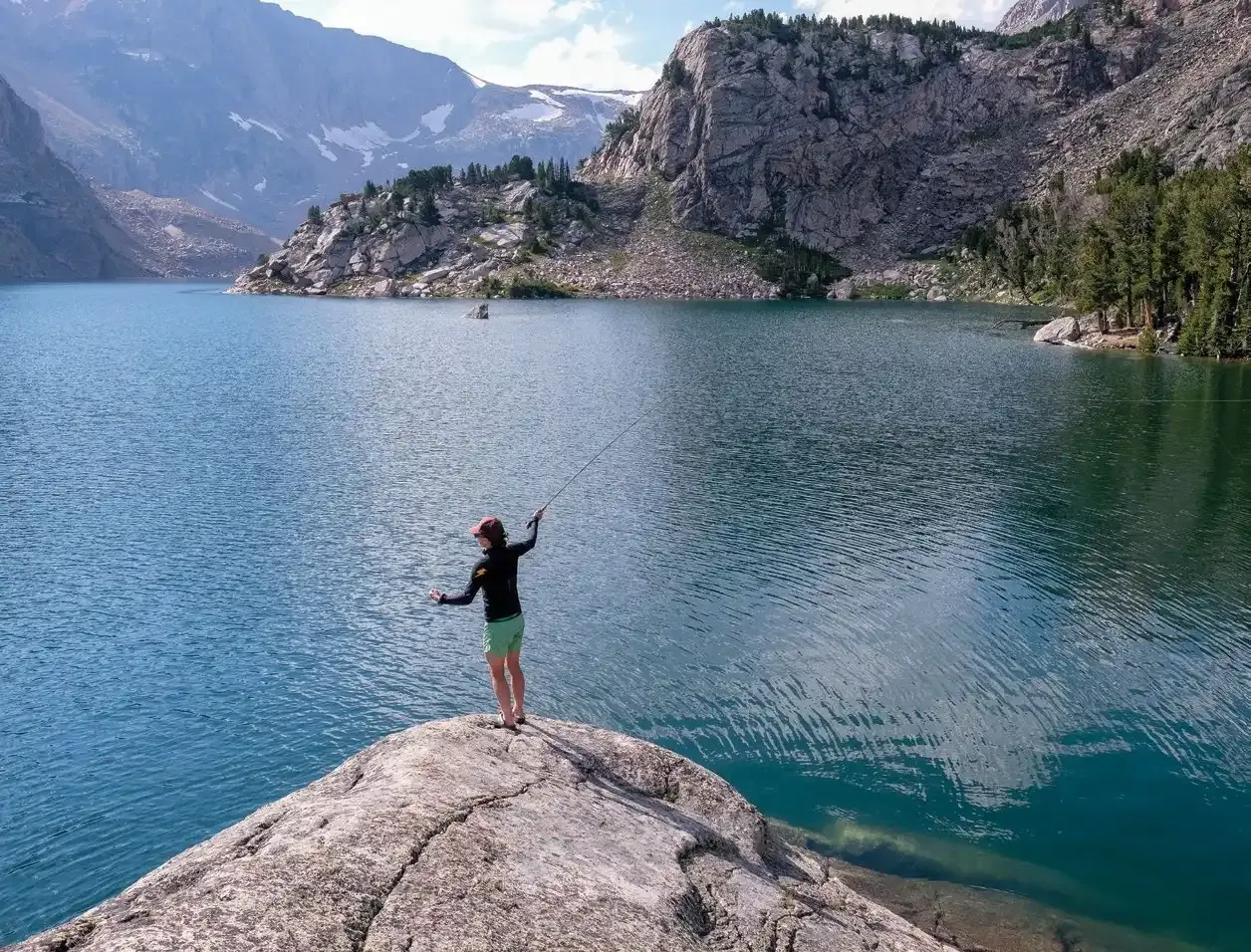
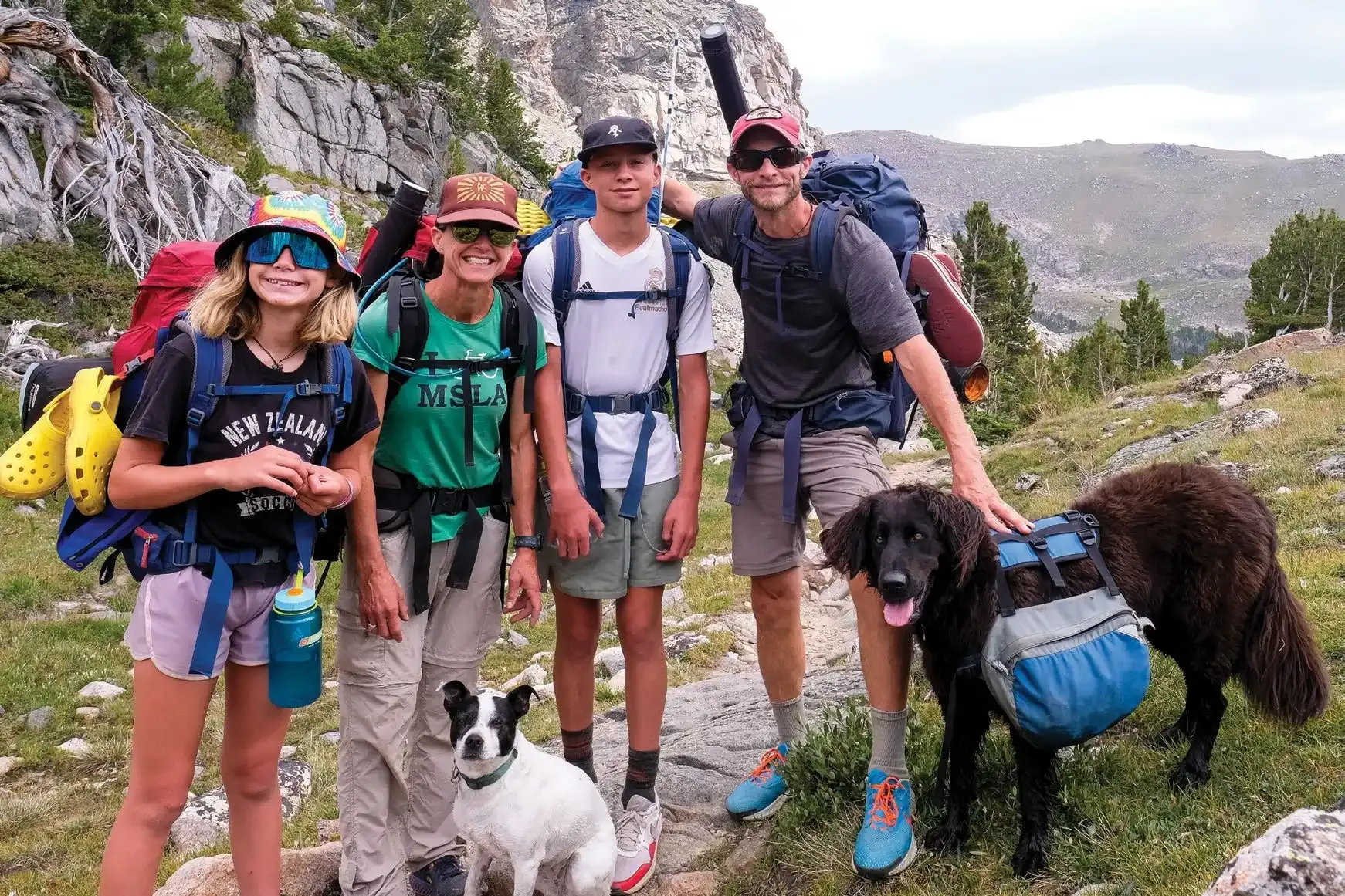
I phoned a friend who has backpacked the Beartooths extensively. He threw out more ideas and we returned to the map. We settled on Glacier Lake—a steep 2.2-mile hike with 1,700 vertical feet of gain. The lake stretches nearly a mile long, and beyond it sit four higher-elevation lakes. After studying the map, we packed up and stepped on the bathroom scale—making sure we were all pulling our weight.
On a hot August day, the four of us and our two dogs hopped out of the truck at the trailhead. From the first step the scenery was spectacular and the trail steep. We found ripe huckleberries as we climbed to a bridge across Moon Creek.
A mile and a half in, we encountered Patrice, a hiker who had rolled her ankle badly while hiking with a women’s group. She couldn’t bear weight, and standing made her woozy. Drawing on some wilderness first aid training, I helped one of the trip leaders splint her ankle and get her comfortable in the shade while they waited for search and rescue. She later texted to thank us and to let us know it had been a broken leg. Our kids were patient throughout and picked up a lesson about the importance of stopping to help someone on the trail and always being prepared in the backcountry.
Twenty minutes later we crested the saddle and were rewarded with our first view of Glacier Lake and the steep walled cirque rising above the south shore. We descended to it and began the hunt for the perfect home base away from day-hiker traffic and closer to the upper lakes. We followed the faint path along the north side of the lake and bushwacked until we found two suitable camp spots on a bench above the lake.
One spot had everything we needed including a flat tent pad, a camp kitchen and fishing right at our feet. We dropped packs and got to work. Camp represented more than a safe spot with access to fishing and the upper lakes. It was a compass orienting us back to the intangible values we find in the wilderness: escape from the digital world, self-reliance, connection to each other, solace, and a healthy fear and heightened awareness that comes with sleeping in grizzly country.
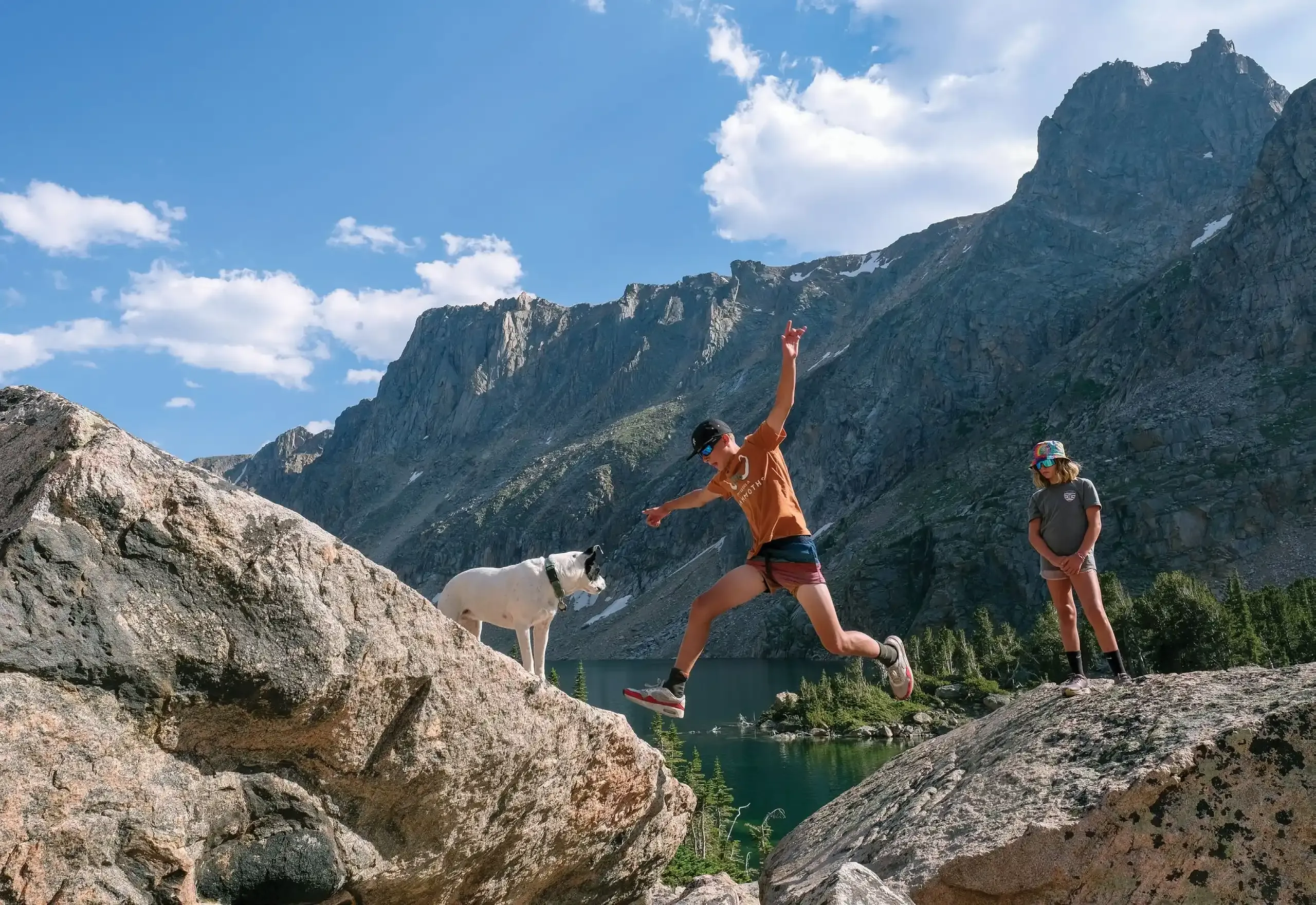
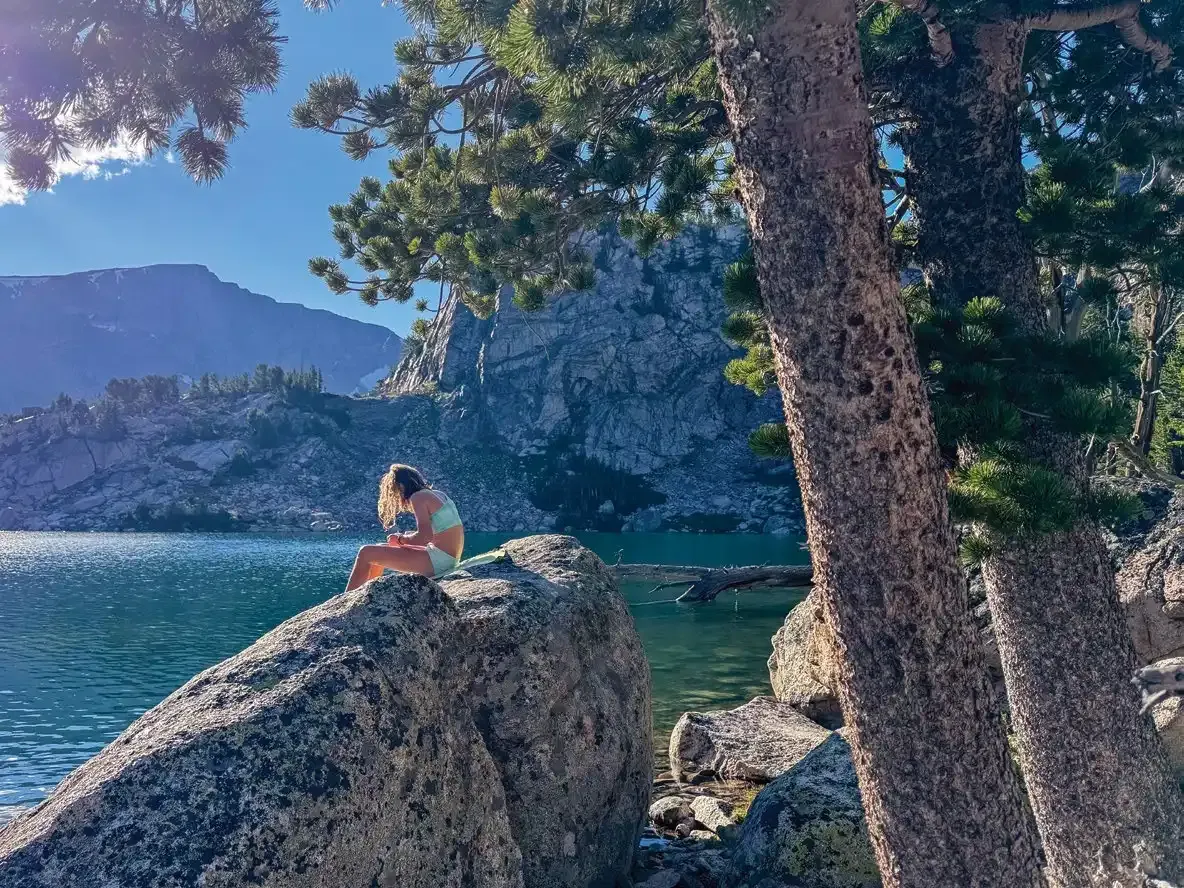
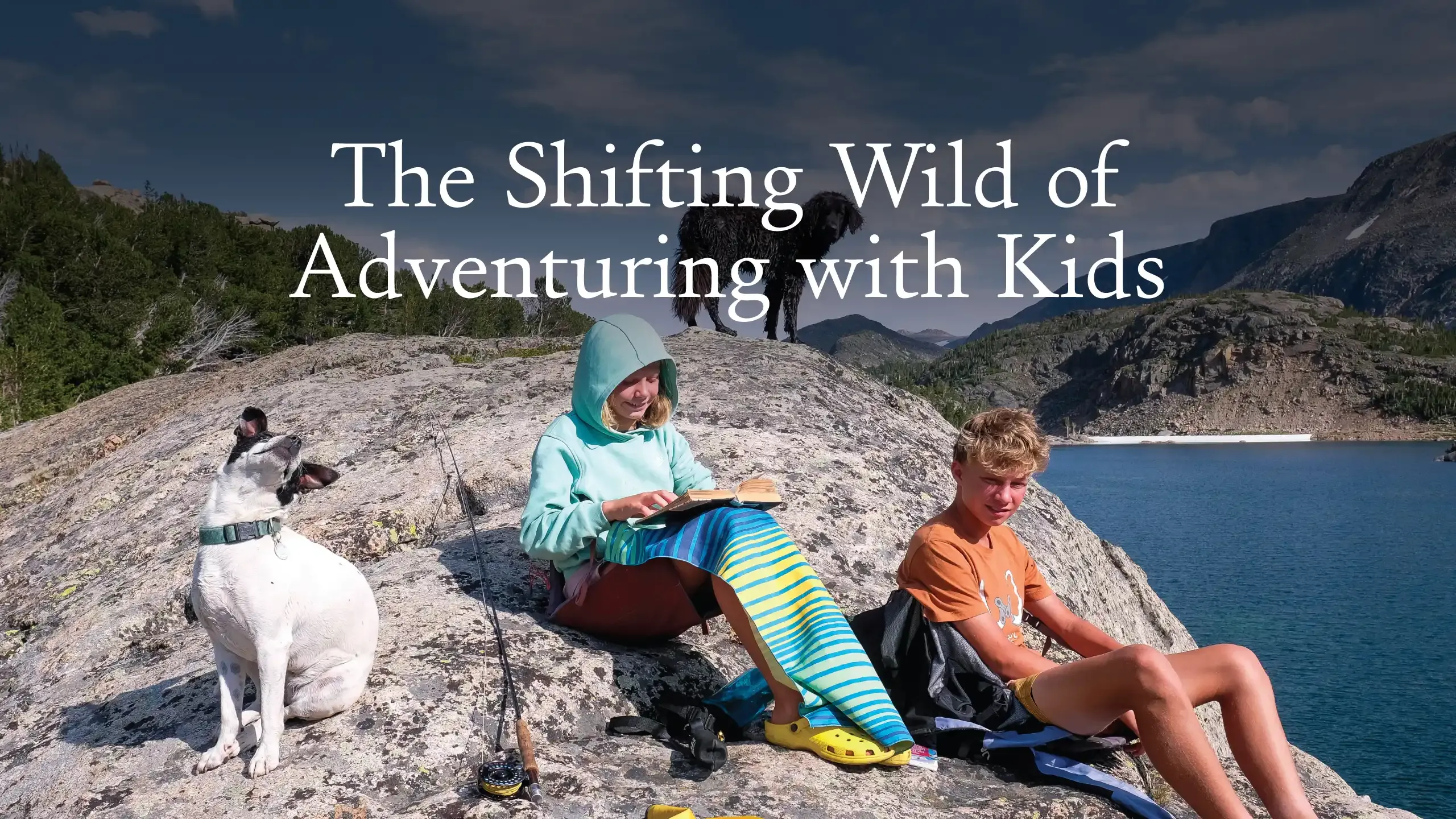
Now that the kids are older, camp represented another value we hadn’t anticipated: freedom—freedom to explore and freedom to chill. Our daily modern lives can often feel scripted. Up here there was no agenda. The magic was slowing down in this sweeping landscape.
Over the next four days, we fished a lot, mostly fly fishing. We jumped into the frigid water and immediately jumped out. We took turns filtering water, cooking camp food and cleaning camp. We read books, did riddles and gazed at the sublime mountain cathedral encircling us.
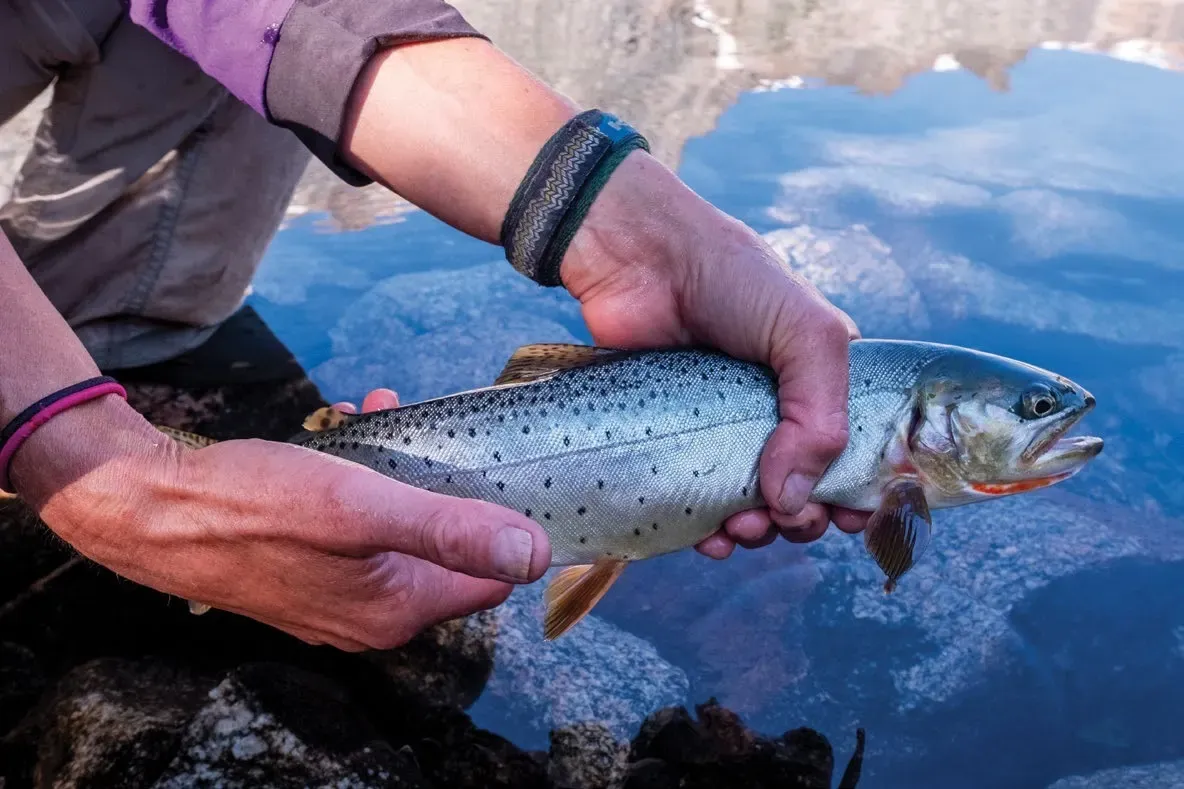
We bushwacked and boulder-hopped to Triangle Lake and farther to Sheep and Goat lakes. At Goat Lake my son and I watched a large cutthroat cruise the shore looking for bugs. Lachlan had been excited to go off trail and find the best route to the mysterious upper lakes. His smile glowed. The exploration, though rigorous, scratched his curiosity and wanderlust. We hadn’t seen anybody else in two days.
At camp, Amelia and Lachlan sorted through our backcountry provisions and planned dinner. Amelia waded knee-deep in the water and they both started skipping rocks across the rippled surface of the lake. Sometimes they’d switch games and see who could throw a rock high in the air and pierce the water with the smallest splash. We call it the “no-splash” game.
On this trip, we slowed down and sank a bit deeper into this wild place—finding a space where the kids could cultivate the aspects of the outdoors they truly enjoy. Although the future of our family backpack trips will continue to morph, as parents, we hope the evolution of those escapades, in whatever form they take, will keep fostering their love of mountain adventures and their reverence for the natural world.
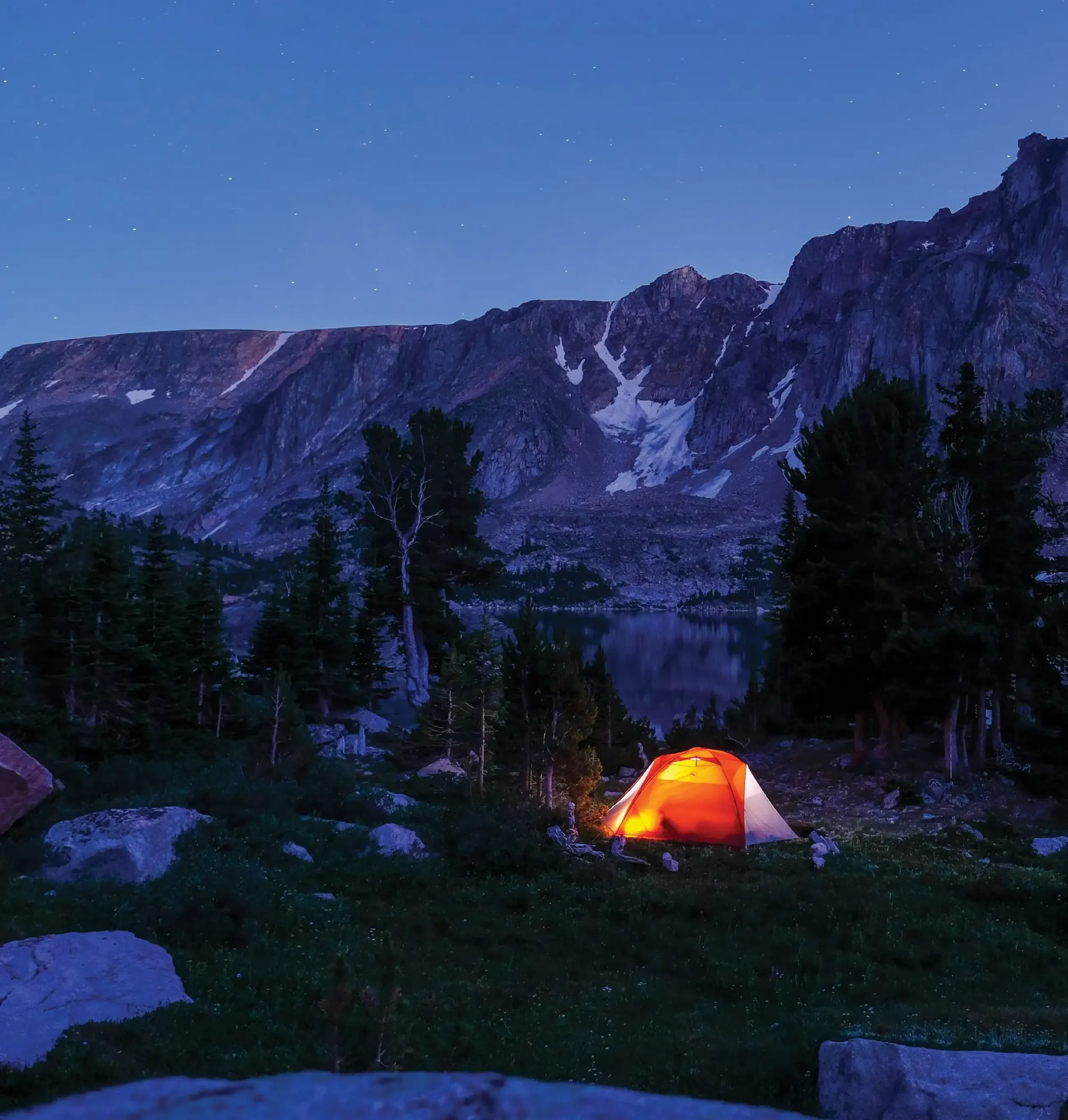
After dinner, we hung bear bags and took one more look at the majestic mountains. As twilight gave way to darkness, we crawled into our tent. We knew we were the only humans sleeping with the wild creatures in this basin tonight—the simple gift of solitude.
Jeremy Lurgio is a freelance photographer and filmmaker based in Missoula, Montana, and a professor of Photojournalism and Multimedia Storytelling at the University of Montana School of Journalism. In his downtime he enjoys skiing, mountain biking, cyclocross racing, fly fishing and exploring the wilds of Montana with his family and dogs.