Photos And Words By Emily Sullivan
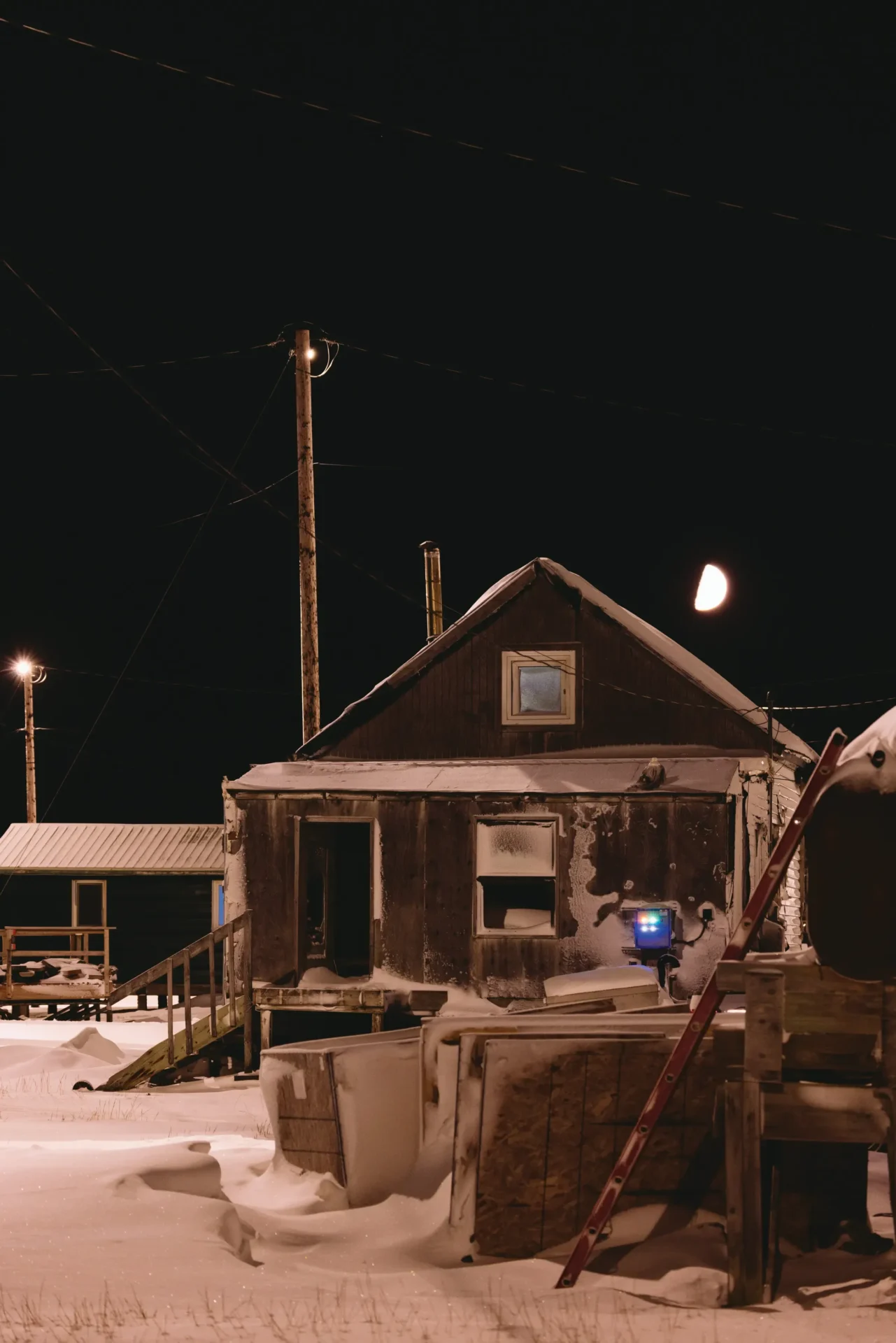
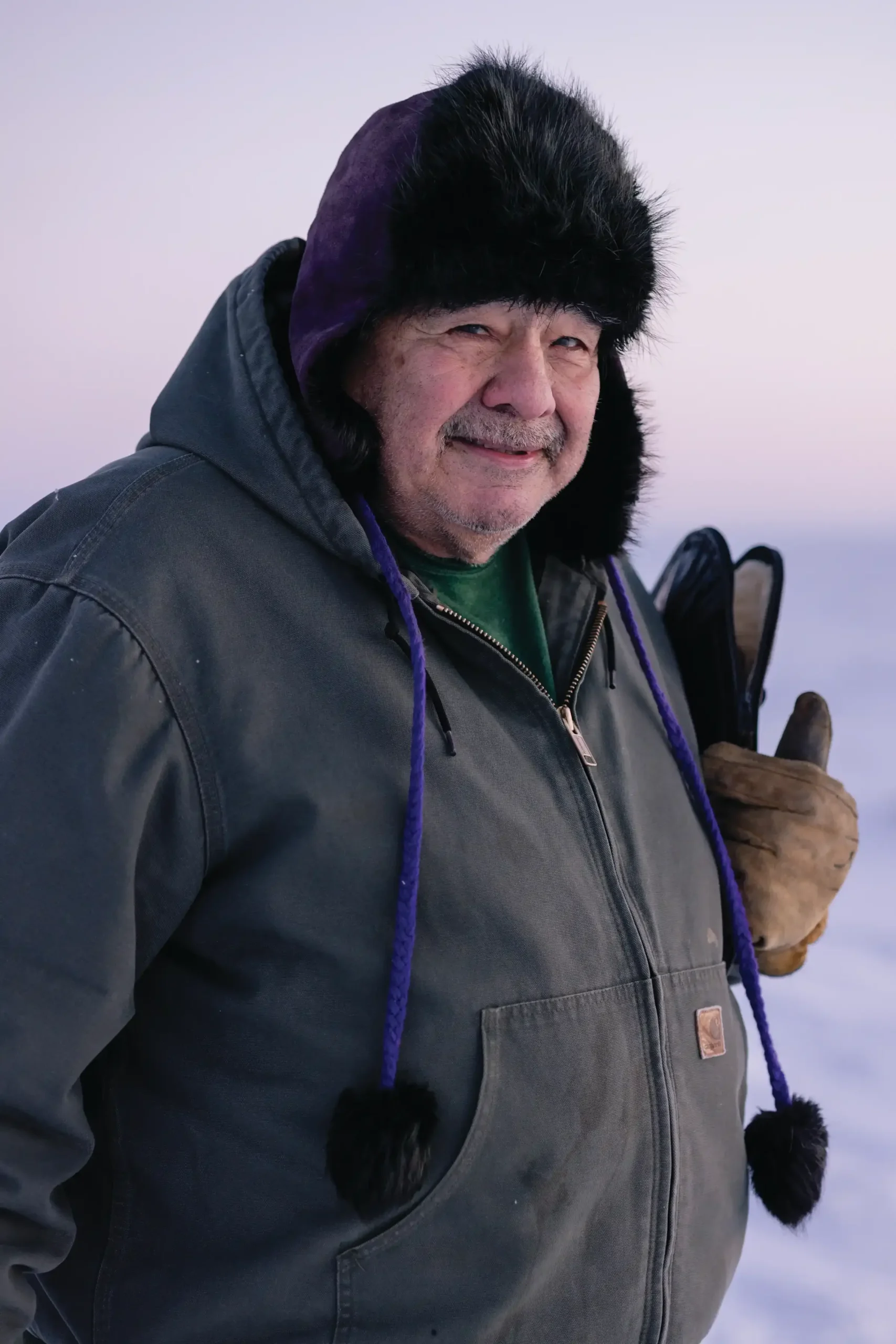
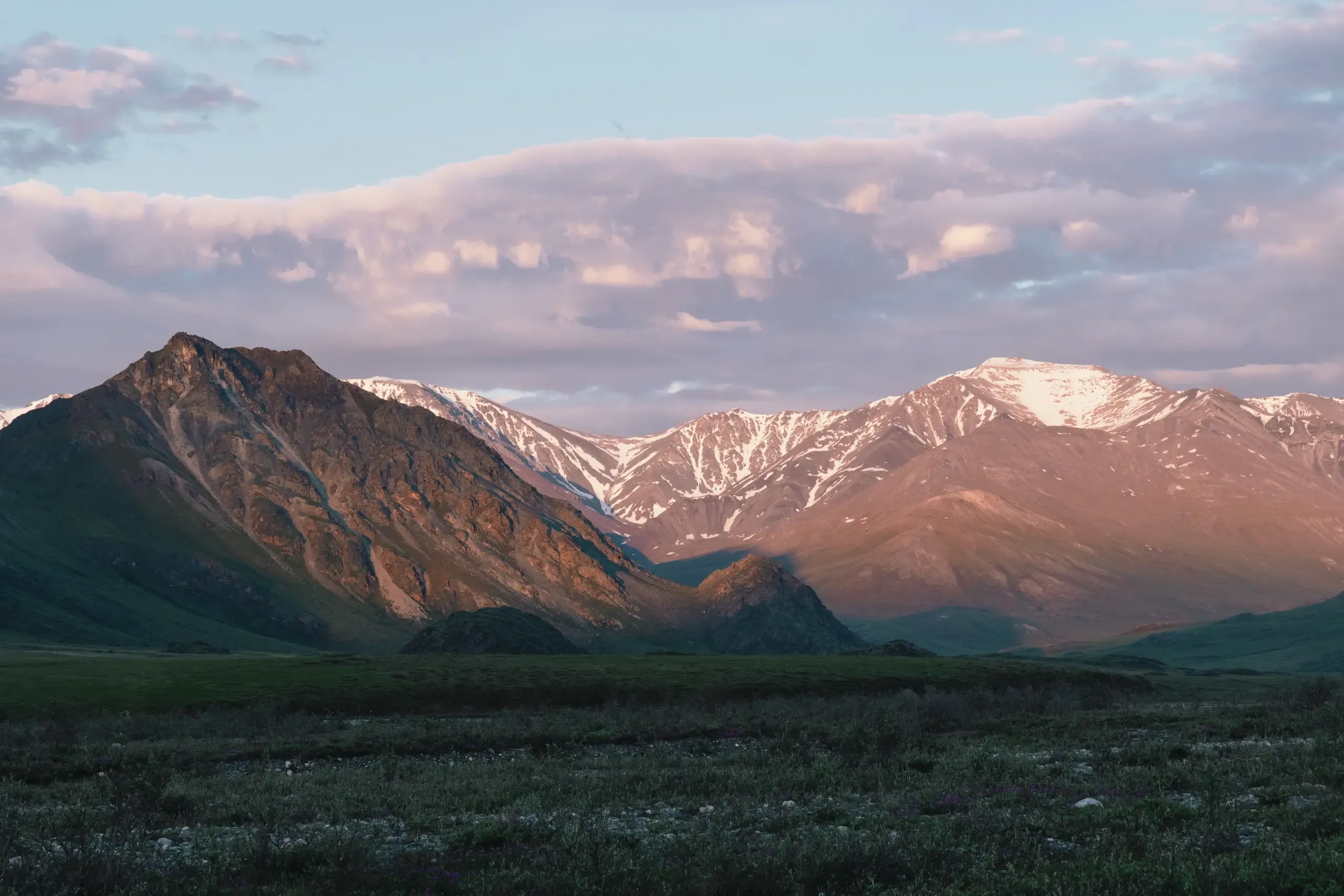
Late November, 2023. It’s the last day the sun will peek above the horizon in Kaktovik, Alaska, for the year — polar night begins tomorrow. Not far from town, I stand at the edge of the sea ice with Robert Thompson, taking in the view. The Brooks Range looms purple at the edge of the coastal plain, 50 miles south. Most of the next few days are spent bundled up, enjoying the long, lavender, midday twilight, and listening to Thompson’s stories. Over a lifetime of hunting, exploring, and guiding, the Iñupiaq Elder has had more adventures (and misadventures) than most can dream of.
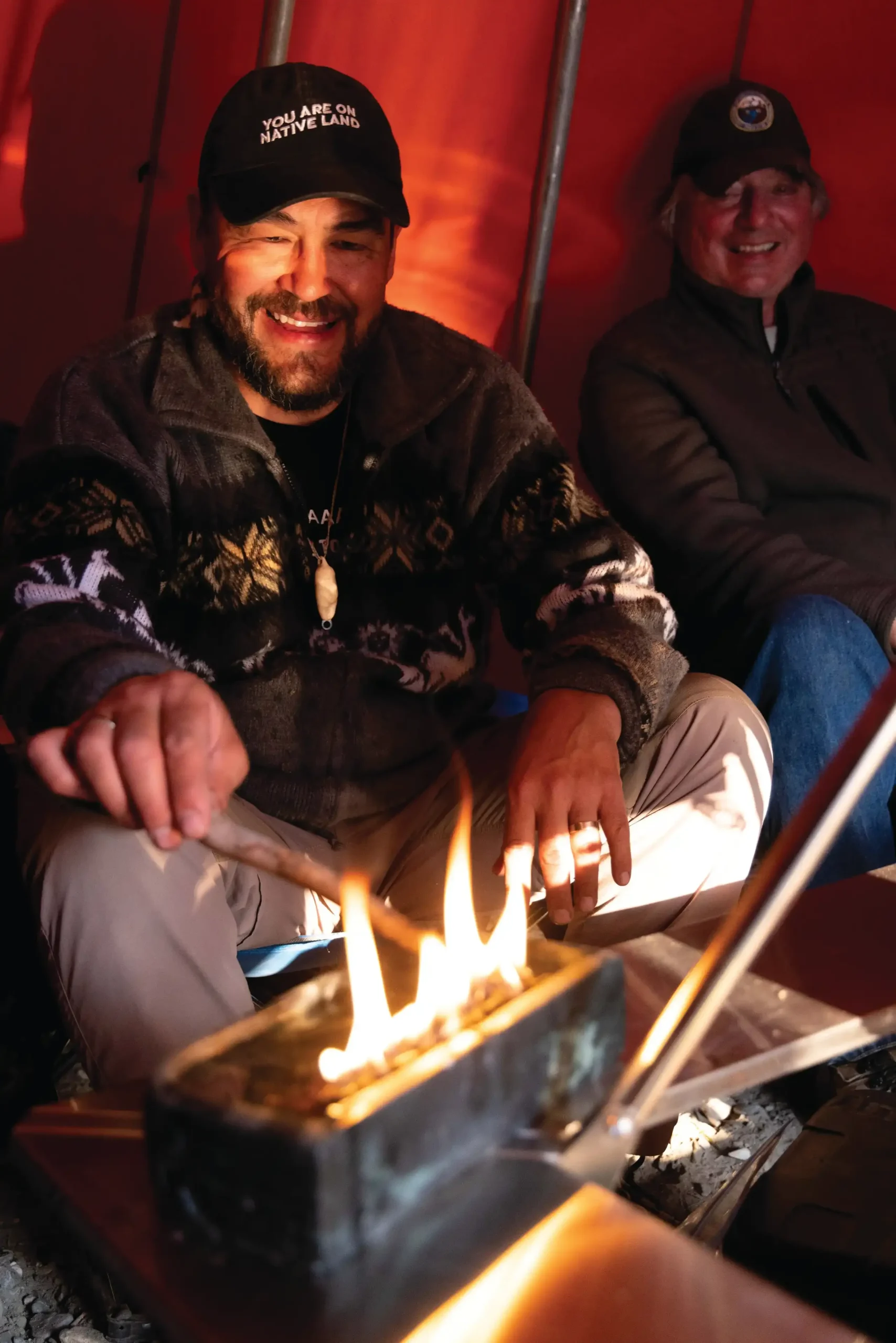
When I first met Thompson in 2021, we were camped along the banks of the Hula Hula River in the Arctic National Wildlife Refuge. I had heard his name many times — the former polar bear guide is well-known in environmental circles for his efforts to protect the Arctic Refuge from oil and gas exploration. Thompson lives in Kaktovik, the only community located on the refuge’s coastal plain. He has witnessed firsthand the impacts of climate change on polar bears, caribou, Dall sheep, and the ecosystems these mega-fauna rely on. Years ago, he dedicated himself to preventing further damage to the Arctic environment, and he has held steadfast in his commitment — traveling to D.C. to lobby, granting interviews, and educating the public.
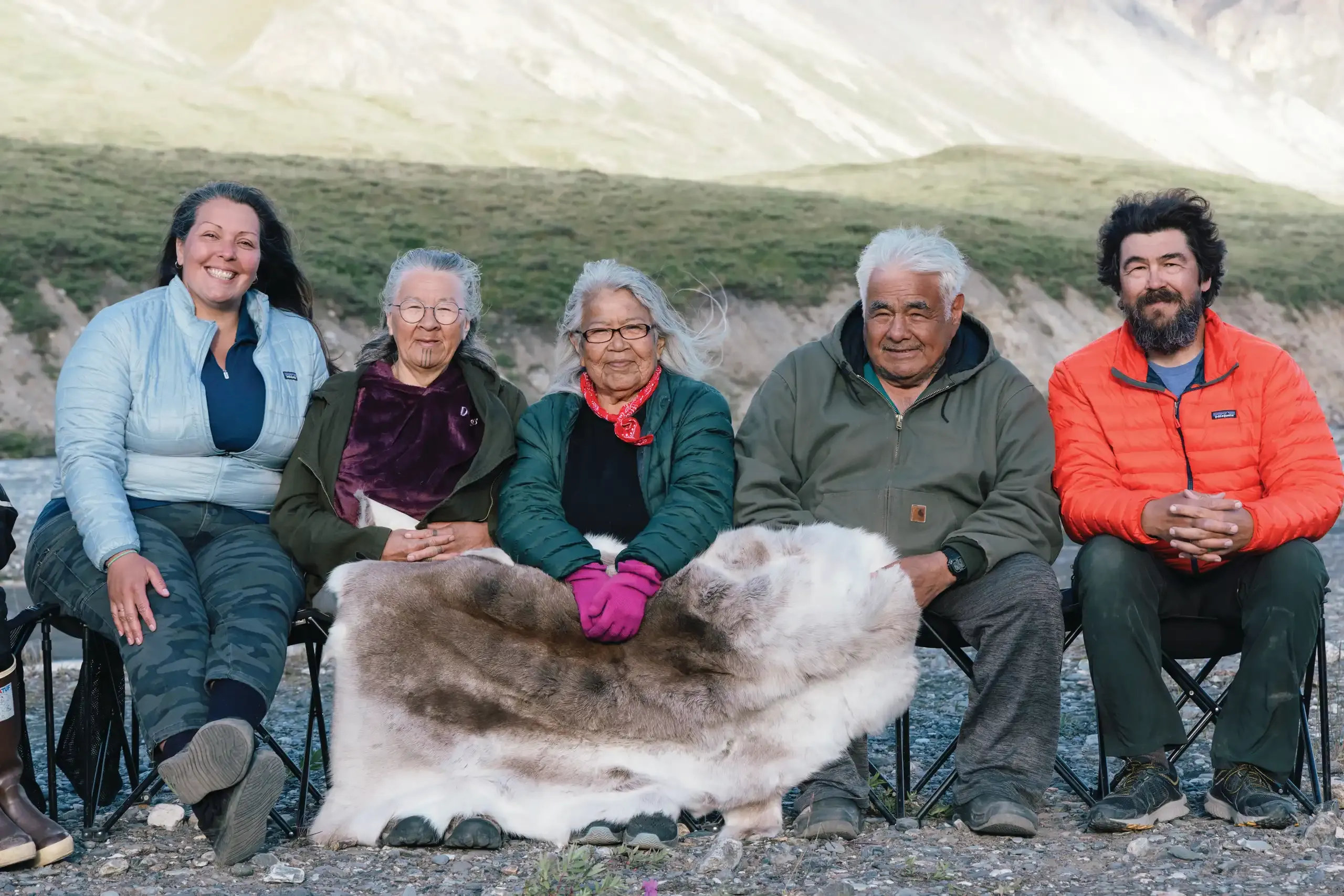
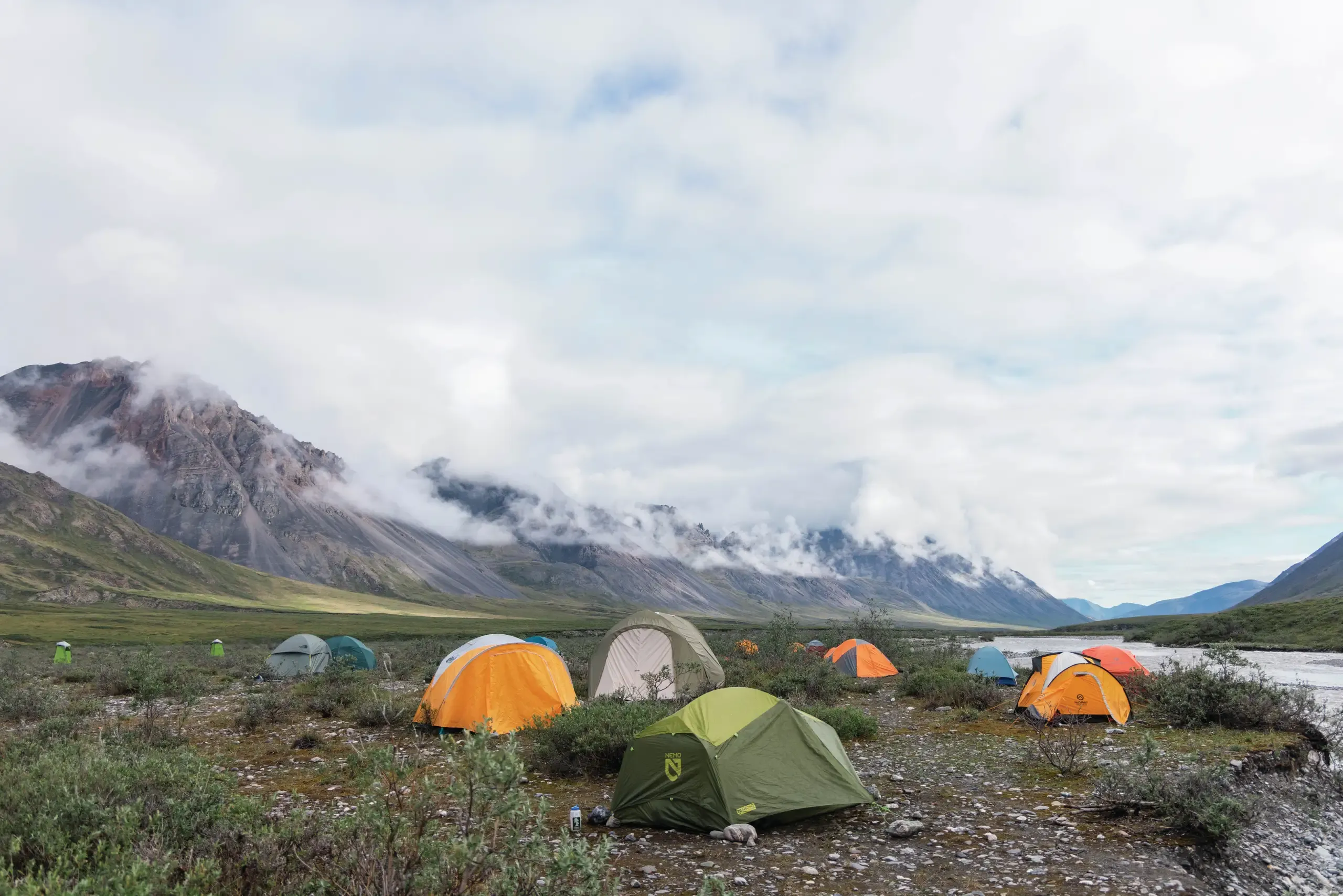
That same year, Thompson and I traveled to the Hula Hula to take part in the Imago Initiative, a place-based dialogue between conservation advocates and Indigenous peoples aimed at progressing conservation through an Indigenous worldview. The program was created in 2020 by Karlin Nageak Itchoak, an Iñupiaq land protector from Nome and Utqiagvik. Camped in the river valley and surrounded by the Brooks Range, Imago groups learn about the land’s cultural importance while brainstorming equitable and just solutions for its protection.
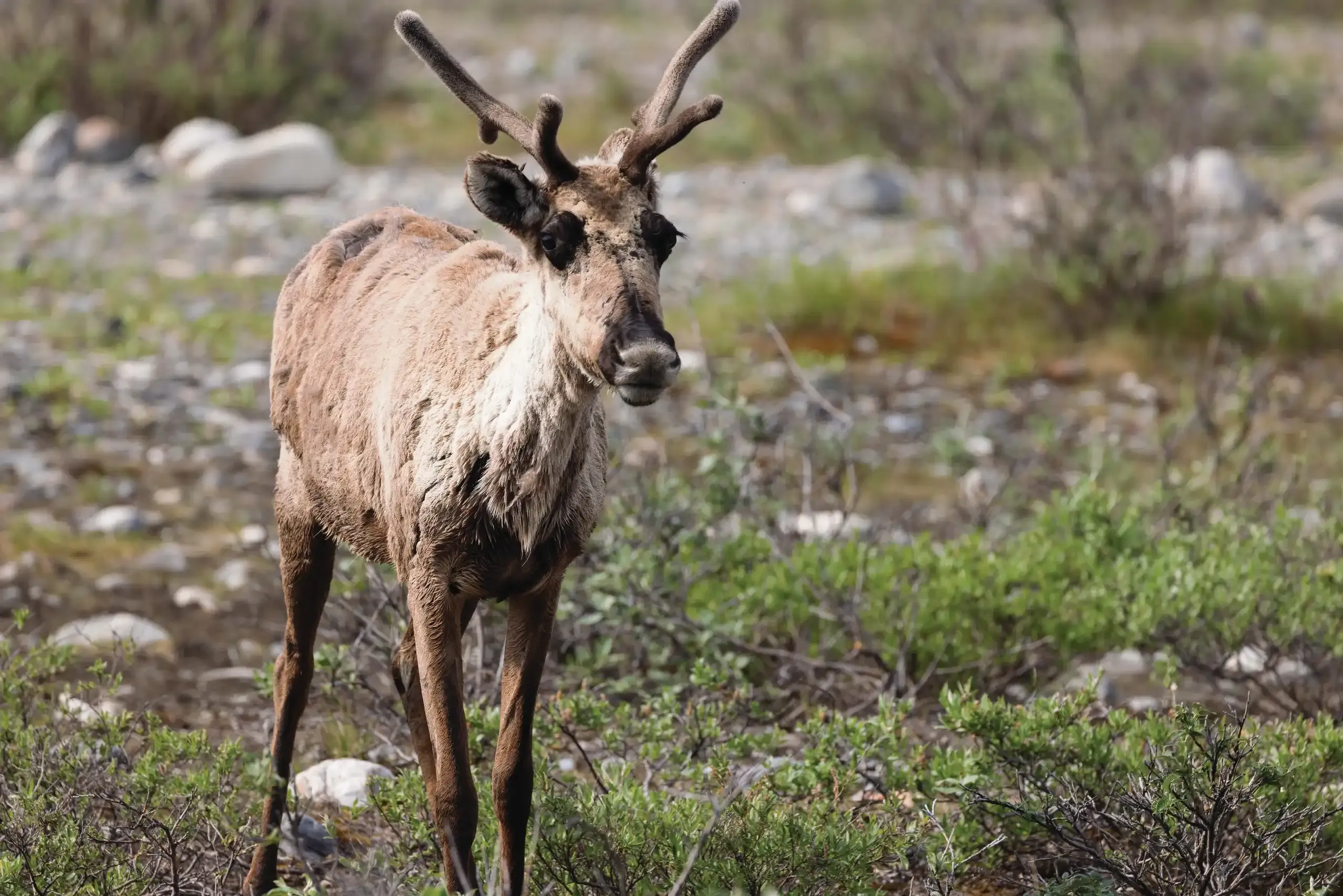
The refuge’s northern coastal plain has been the topic of intense debate in Congress for four decades. Held sacred by the Gwich’in Nation, it’s the birthing grounds for the Porcupine Caribou herd. Despite repeated attempts by industry and pro-development lawmakers to open it to drilling, grassroots organizing and legal challenges have stymied these efforts, making it one of the most enduring environmental struggles in the U.S.

There is no better place to brainstorm land protections than on the land itself. Each summer during the gathering, Imago participants hear from elders like Thompson, both Gwich’in and Iñupiat, about the changes they’ve seen in the land and wildlife. We learn about the challenges facing Indigenous communities today, which can be exacerbated by such approaches to conservation as dispossession of land, infringement on hunting rights, and more. We learn to hold the land, plants, and animals as equals and as relatives. We brainstorm strategies to ensure a healthy future for the coastal plain and the Porcupine Caribou herd. These yearly trips renew my hope for the future of the Arctic.
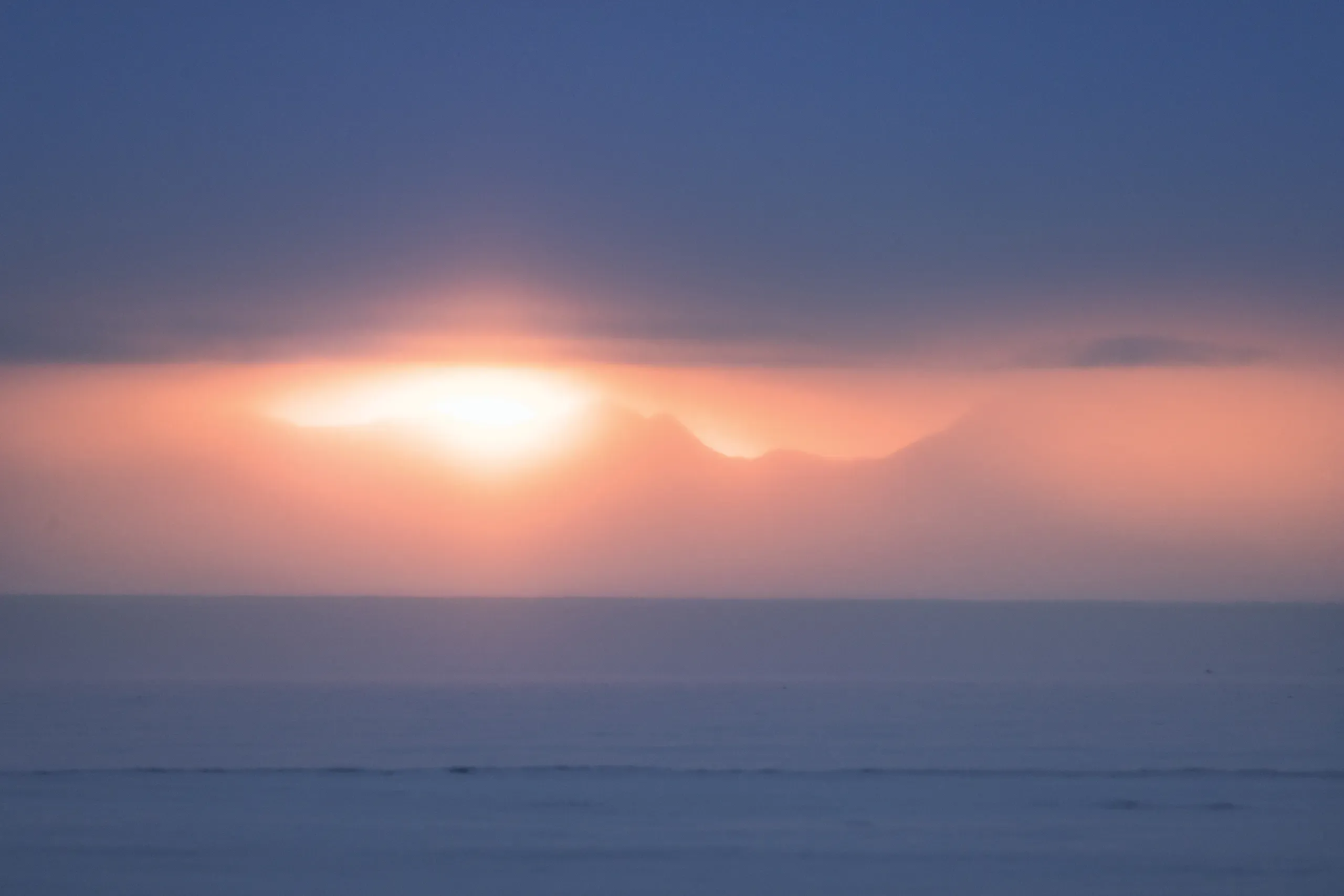
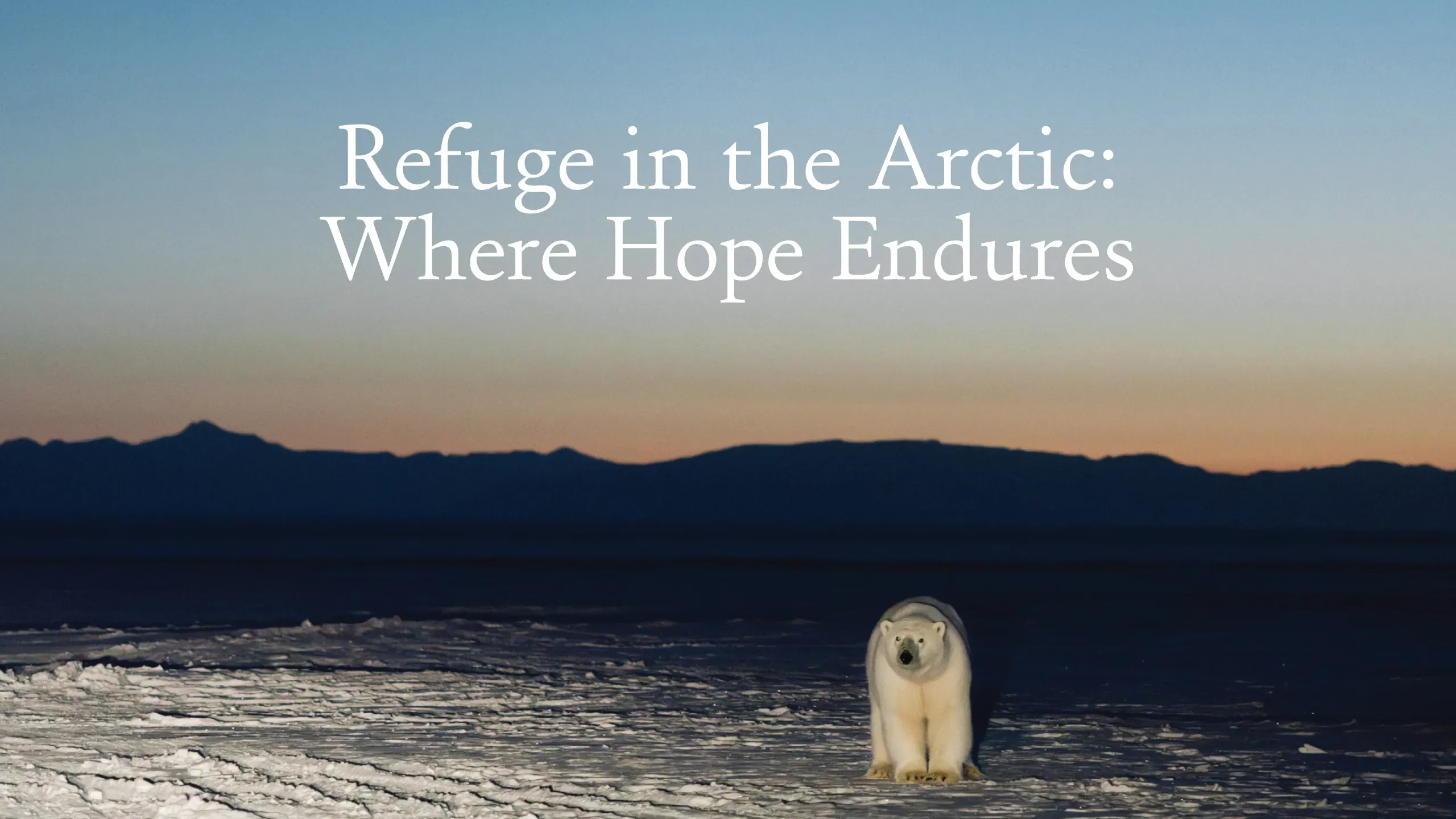
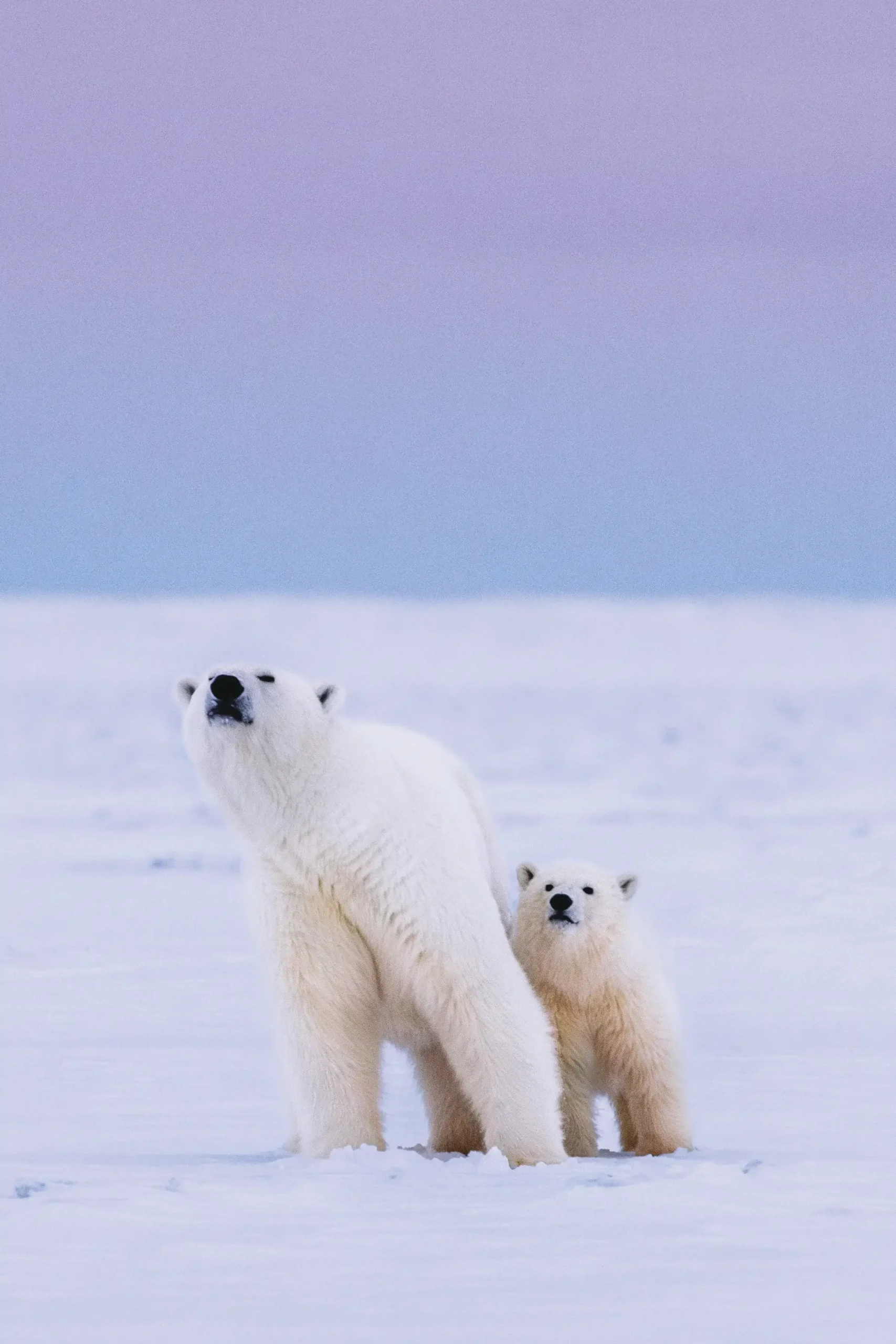
My friendship with Thompson is what brings me north to Kaktovik for a visit in November of 2023. Winter arrives early at 70 degrees north. As we sightsee near town, my mukluks crunch over unpacked snow. By now, the sea ice should be thick and solid, but it remains patchy. Open water is a stone’s throw away. Thompson explains that the changing ice forces polar bears to spend more time on land, limiting their hunting access to sea mammals. We watch as a sow and cub feed on a whale carcass close to town, and observe a massive, lone boar napping farther out on the ice. Thompson fears for their future — not only because of climate change, but also because of the threat of seismic testing for oil wells.
It’s a difficult time to remain hopeful for the Arctic — threats to the refuge loom larger than ever. But when hopelessness creeps in, I remember Thompson’s steadfast commitment to the lands he loves and the animals his people rely on. I think of that last, golden sunset before polar night began, and remember that only a few months later, the sun would rise again on the Arctic Ocean. As industry continues to push for drilling, the future of the Arctic Refuge will be decided not just in the halls of Congress, but in whether we choose to stand with the Indigenous communities who have always fought to protect it.

Emily Sullivan (she/they) is a photographer and writer focused on outdoor recreation, environmental wellness, and community empowerment. Emily was the recipient of the 2023 Climate Futures storytelling grant from High Country News and was a 2024 Artist-in-Residence at Singla Creative Retreat in arctic Norway. She lives, works, and recreates on Dena’ina Ełnena, the lands surrounding Anchorage, Alaska.