Words by Yetta Rose Stein
Photos by Ben Weyer
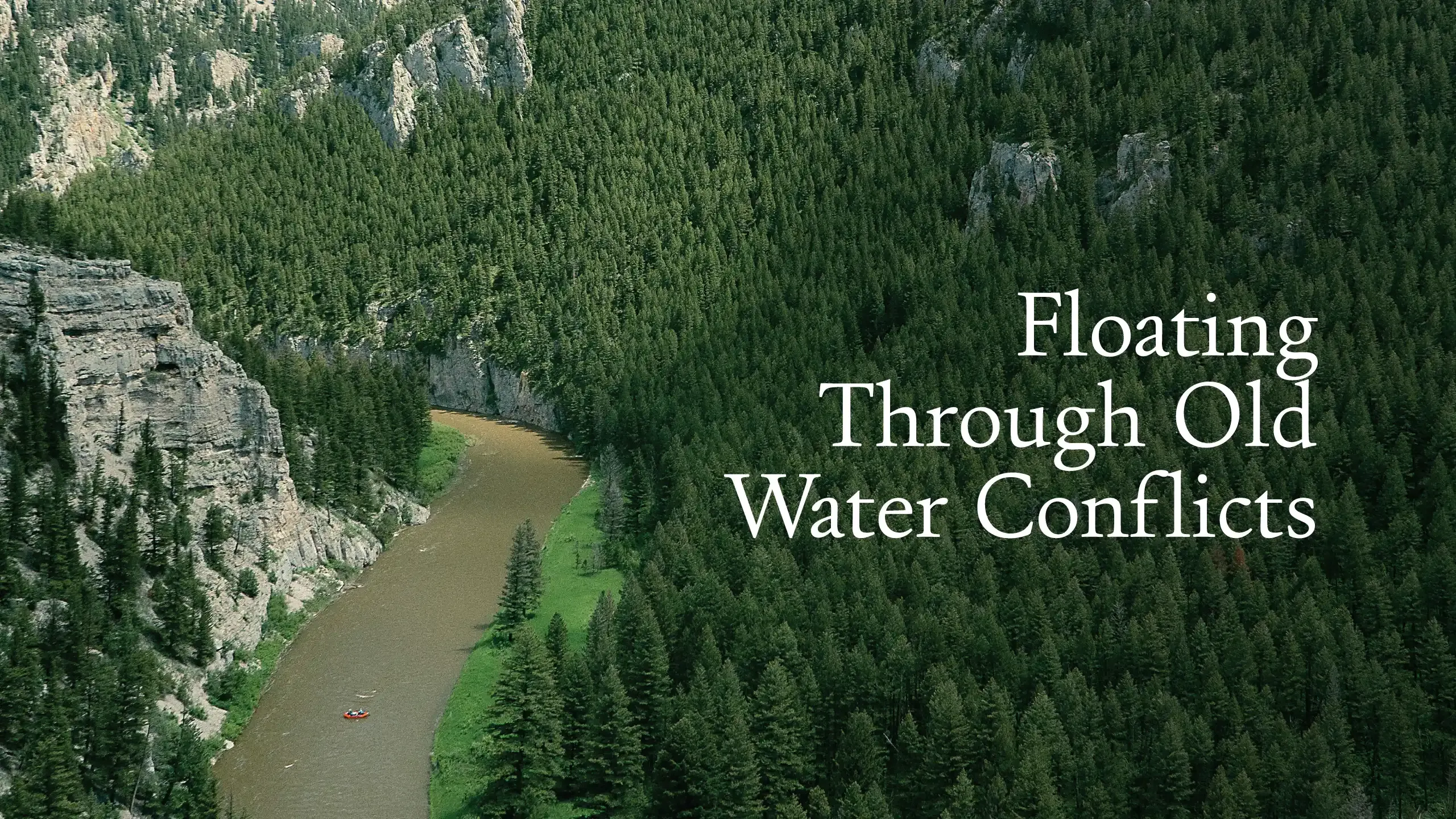
The Smith River is home to trout, owls, moose, and other early arrivals. It winds through a canyon deeper than the Grand. It is, in many ways, solitude exemplified: There is one public place to put in and one public place to take out along the 59-mile stretch of river between Camp Baker and Eden Bridge.
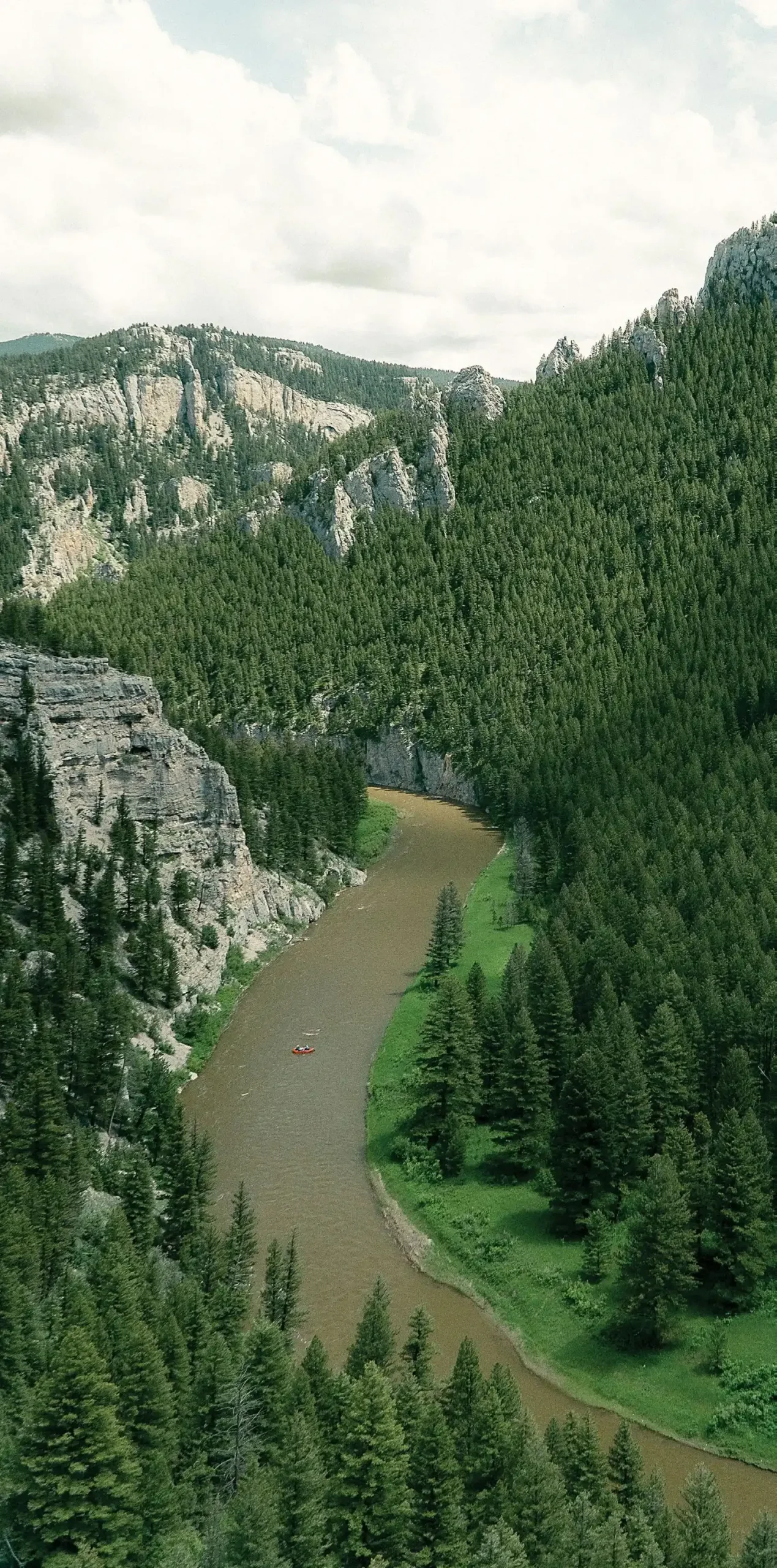
The Smith River emerges from the Castle Mountains near White Sulphur Springs, Montana, feeding the Missouri, storied and slow, and fed in turn by several tributaries including Sheep Creek and Hound Creek. The Tenderfoot acts opposite its name, dumping cold water into the Smith. Up the Tenderfoot, schools of whitefish and trout collect themselves in pockets of stillness. Deep Creek, later on, cascades along rocks and gushes into the widening river.
The Smith River is a belt notch for anglers across the country, a right of passage. Permits to float are hard to come by; roughly 10 percent of lottery applicants win a launch date each year. The owls, the moose, fret not for a permit. Eagles cram their nests high into canyon wall caverns. Whitetail deer eat grass along the banks. Rattlesnakes don’t pay rent for their sunbathing rocks.

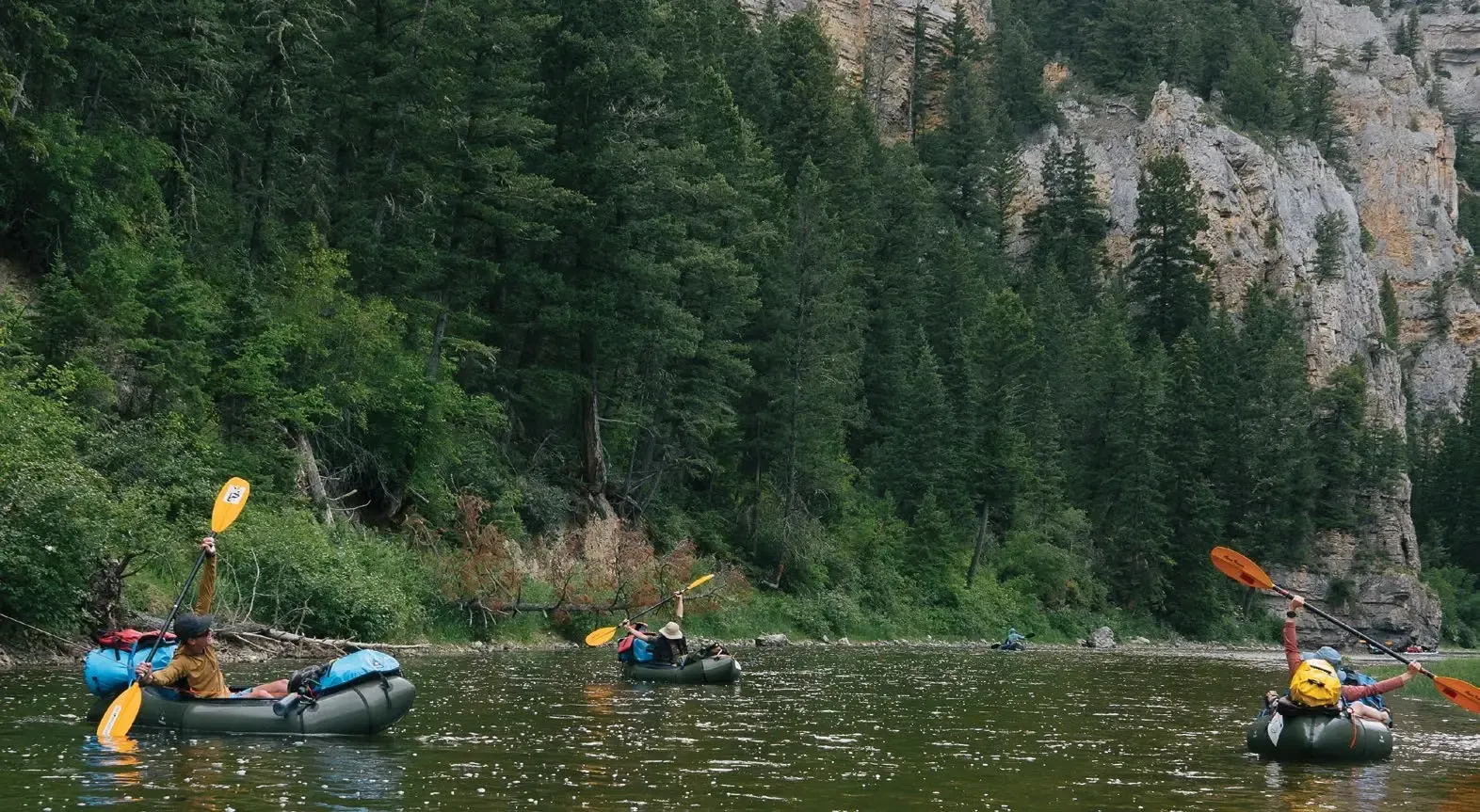
The Smith River is old water. Native American pictographs from nearly 1,500 years ago line cliff walls along the river. A cave full of drawings sits high above the river, and river-weary wanderers can climb the steep trail to sit within the ancient art.

The Smith River is secretly swift. Once, after sitting in the meadow, after seeing a rubber boa move slowly, blood still cold in early June, I crossed the river on foot, back to our camp. The river had other plans and swept underneath me, my knees quickly kissed rocks, my arms sought assistance.
The Smith River is on a fast track to becoming neighbors with a copper mine, something to support our insatiable love of semiconductor chips and good plumbing. Sandfire Resources, an Australian company, is plotting and executing a large underground mine next to and beneath Sheep Creek.
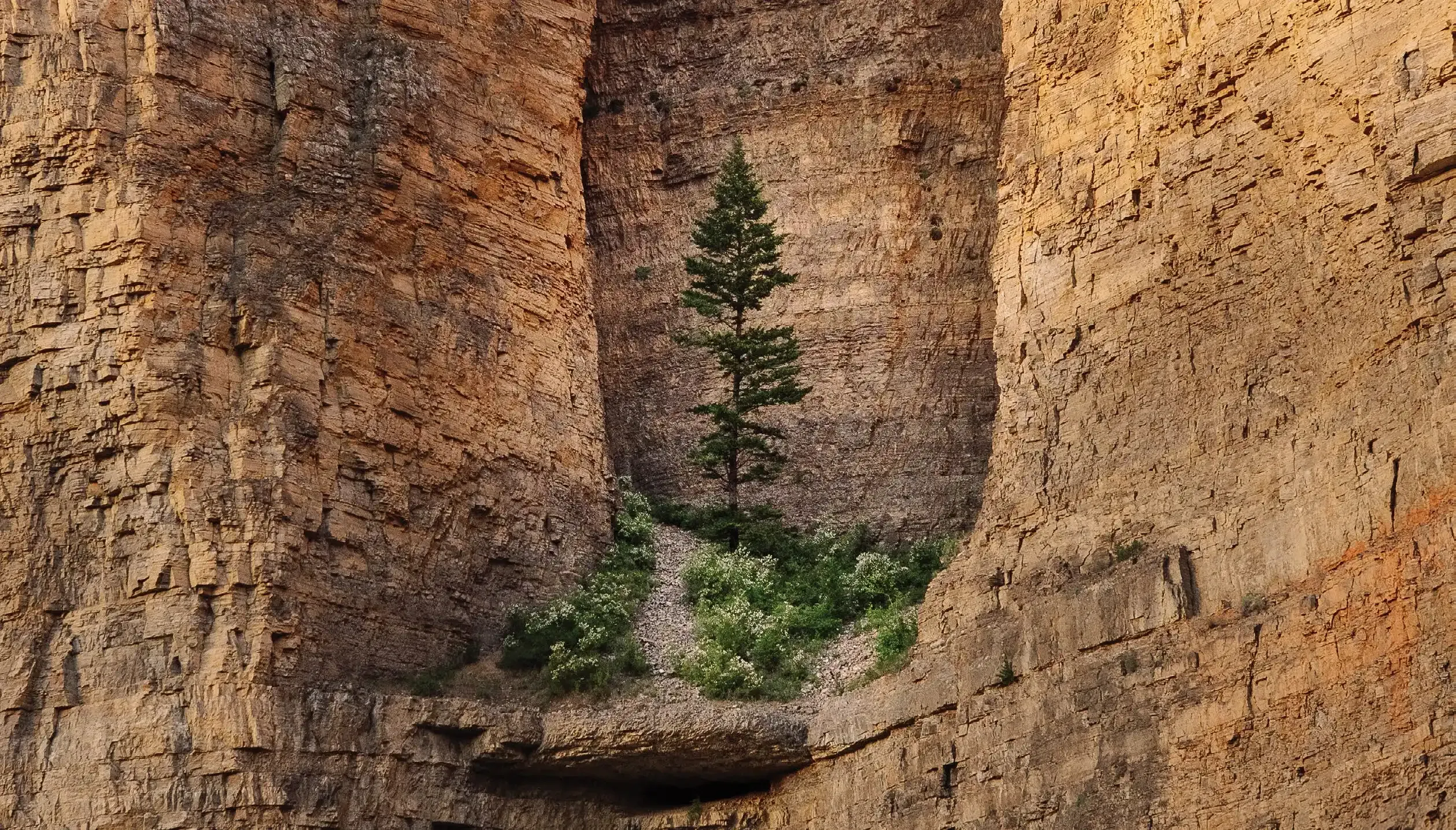
The Smith River is, like us, a water creature. It winds and whistles. It rushes and chills. We can use the river as a clock, noticing the seasons shift from runoff in April and May to the slow trickle of July. The river runs so low in August that walking its river bottom is possible in most places. The Smith River’s copper mine will use Sheep Creek’s water for operations. At times during the year, Sheep Creek accounts for half the flow of the Smith River.
What is a river without water?
The Smith River understands what mining means for rivers because Montana’s history with mining is long: From gold mining at Grasshopper Creek to Butte’s Copper Kings, the land of “gold and silver” remains rich today even as the concept of wealth shifts and evolves.

The Smith River offers a choice Montanans have long been making between industry and preservation, between ambition and clean, clear water. In the 1980s, gold deposits were discovered near the Blackfoot River. A mine was proposed, and with it a 1,200-foot pit half a mile from the river. Montanans soon learned that a mine so close to a river would require cyanide heap-leaching and could ultimately lead to devastation for human and non-human life. Montana opted to ban cyanide, the first state to do so.
The Smith River offers a choice Montanans have long been making. In 1989, Butte supplied 41 percent of the world’s copper. Anaconda housed the largest smelter in the world. Twenty years later—the blink of an eye in the history of the green-blue marble—the copper market crashed. Butte was left with a retired open-pit copper mine full of acidic water.
What is a river without water?
The Smith River runs low and slow in July and into August. Maybe it’ll rain in September, increasing the river’s flow with ease. Maybe it’ll snow in October and we’ll forget about boats and floats until spring fever makes us sick with desire for oars and sand.
The Smith River isn’t about us, though. The Smith River doesn’t care about us. The odds the water wins, in the very long run, are high. Its mine could last 11 years, as committed to the public. Or 50 years, as noted to investors. Years are nothing to a river.
Years mean very much to fish. A trout lives three to seven years. A moose lives 12 years, maybe. We live, if we’re lucky, 70 years. If we’re lucky, we spend 10 days on a river a year. If we’re very lucky, we spend more than 30 days on a river a year. If we’re exceptional in every way, we spend five days a year on the Smith. If we floated the Smith River every year for our very average life, we’d spend 350 days in the canyon’s vortex. We’d spend a year on the river. One year. Years mean very much to us.
What is a river without water. What are we without our cords of wires, our ability to charge and chat.
Every May, the Smith River is loud. Winter’s water rushes into the canyon and beyond. Some day, that water won’t feed the river, it’ll feed us. It’ll taste metallic and new.
Yetta Rose Stein reads and writes in Livingston, Montana. She is a graduate of Hellgate High School and the daughter of Nancy and Gary.